Health and Wellness Guide: Tips for a Healthy Mind & Body in 2026
Published: May 23, 2026 Last Updated: June 16, 2026 Health and wellness aren‘t just commonly heard marketing terms; they
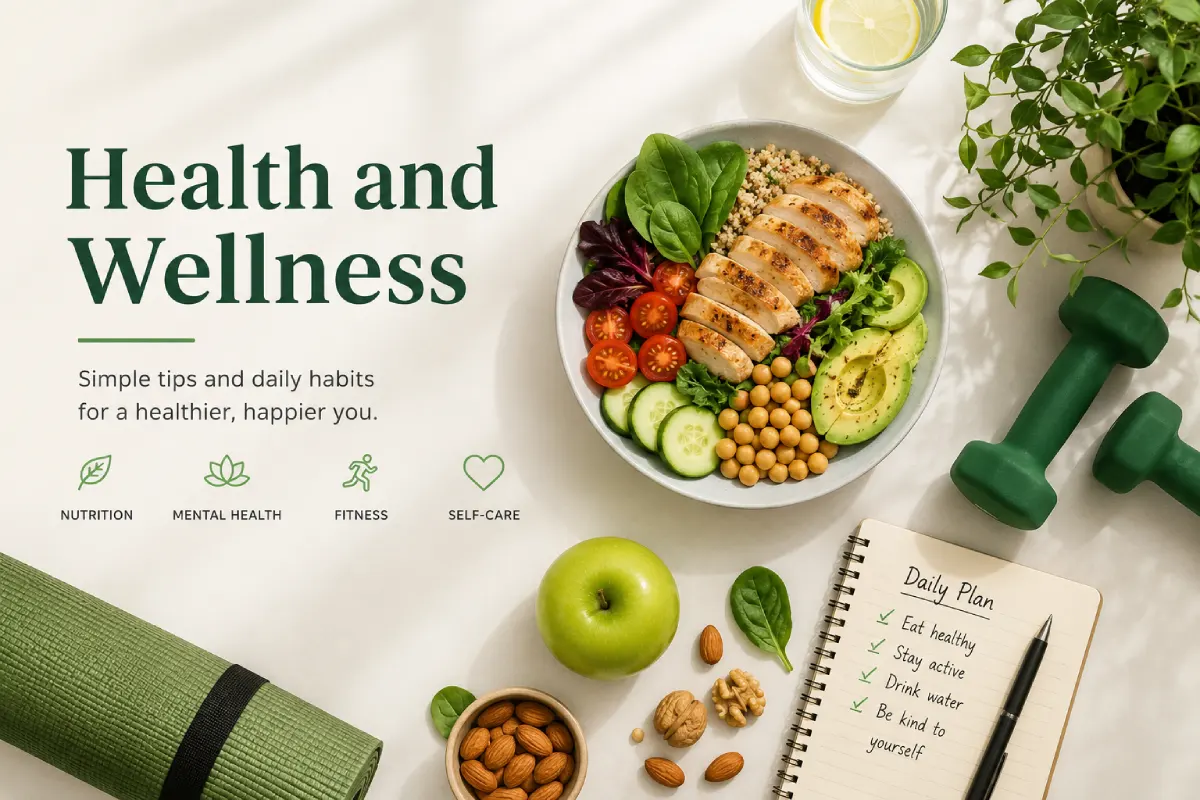
Health and wellness aren‘t just commonly heard marketing terms; they encapsulate the state of how you are feeling on a daily basis. Whether you are waking up drained, overwhelmed at work or just looking to feel a little better in yourself, then understanding health and wellness is your first step to true change.
Fast forward to 2026 and the conversation has changed. Wellness isn‘t merely a trip to the gym or a bowl of leaf lettuce. Rather, it is your mental sharpness, the quality of your sleep, your behaviors, your surrounding at work, and even your fitness tracking devices.
This has a lot in it mental and emotional health, fitness and nutrition, holistic health and self-care, sleep and women‘s health. Consider it your personalized2 buying guide: every chapter provides a solid starting point, with a link to integrative deeper-dive guides throughout.
What Is Health and Wellness?
Most people, including you, probably use “health” and “wellness” synonymously but they‘re not quite the same.
First you have health. This is your physical condition not being sick or ill. Then you have wellness. This is defined as an active process through which people make choices that lead to a greater overall sense of well-being and functionality. According to the World Health Organization, health is: ‘a state of health’; wellness is ‘a way of living’.
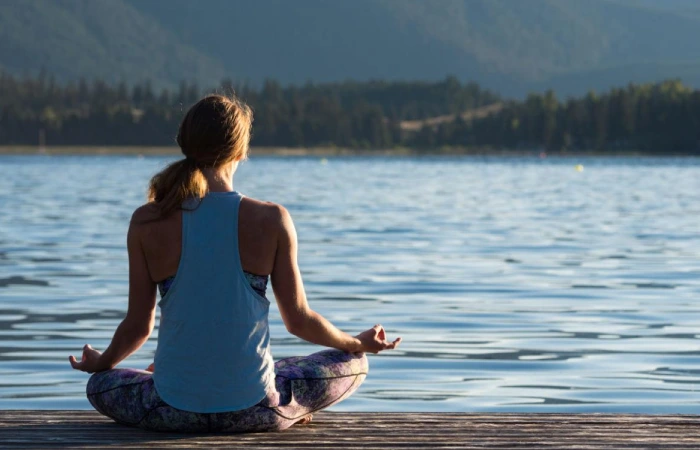
The 8 Dimensions of Wellness
| Dimension | What It Covers |
|---|---|
| Physical | Exercise, nutrition, sleep, preventive care |
| Mental/Emotional | Stress management, emotional resilience |
| Social | Relationships, community, connection |
| Occupational | Work satisfaction, work-life balance |
| Spiritual | Purpose, values, meaning |
| Environmental | Your surroundings, nature, clean spaces |
| Intellectual | Learning, creativity, curiosity |
| Financial | Financial security and literacy |
True wellness means caring for all these areas — not just the ones you can see.
Key Takeaway: Health and wellness is a whole-life approach. No single habit defines it — it’s the daily combination of choices that builds a healthier you.
Why Mental Health Is the Foundation of Wellness
Want to have your perfect diet and exercise all the time but your mind isn‘t functioning properly, everything else just isn‘t quite right… This has to be one of the most crucial facts in health.
What is mental wellness? We define mental wellness as more than just lack of anxiety or depression; it encompasses emotional regulation, ability to withstand stress, positive self-esteem, and strengthened relationships.
The World Health Organization stated that in this population, (roughly 1 of 8 people in the world live with a mental disorder) and that diseases caused by stress cost the global economy more than 1.1 trillion dollars annually.
Signs Your Mental Wellness Needs Attention
- Cumulative fatigue, which continues even after one has rested.
- Problems with concentration or decision-making
- Withdrawal from social situations
- More irritable or more emotional reactions to his environment
- Easy detachment from life.
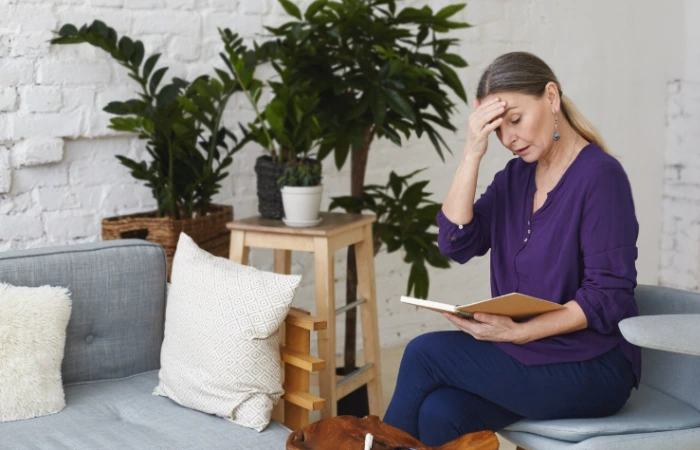
3 Practical Mental Wellness Habits to Start Today
- Journaling daily, 10 minutes in the morning alone to allow for our thoughts to flow before embarking on the day.
- Digital limits. Not to look at their social media accounts the first 30 minutes since waking.
- Mindful breath 4-7-8 breathing technique, used sometimes during intense stressful moments where we can inhale to a count of 4, hold our breath to a count of 7 and breathing out to a count of 8.
They‘re not major lifestyle changes. They‘re small actions and they‘ll add up over time.
Key Takeaway: Your mental well-being is the cornerstone that affects every aspect of your health. Ignore it and you‘re in trouble.
Read More: Mental Health and Wellness Tips for a Balanced Life — stress management, emotional wellness, anxiety relief, and self-care practices explored in depth.
Building a Fitness Routine That Actually Sticks
The ugly truth about fitness which most people overlook is that the most effective workout is the one you actually do. It‘s not the most grueling program. It isn‘t the most costly gym subscription. Consistency always trumps intensity.
In 2026, fitness science confirms what trainers have known for years that the ideal program will include a combination of strength training, aerobic activity, and flexibility.
For adults, the Physical Activity Guidelines for Americans state: At least 150 minutes a week of moderate intensity aerobic activity, or at least 75 minutes a week of vigorous intensity aerobic activity, or a combination of both equivalent to these. Muscle strengthening activities 2 or more days a week.
The Beginner’s 3-Day Fitness Framework
| Day | Focus | Time Needed |
|---|---|---|
| Day 1 | Strength (bodyweight or gym) | 30–40 min |
| Day 2 | Cardio (walk, cycle, swim) | 30 min |
| Day 3 | Flexibility + Recovery (yoga, stretching) | 20–30 min |
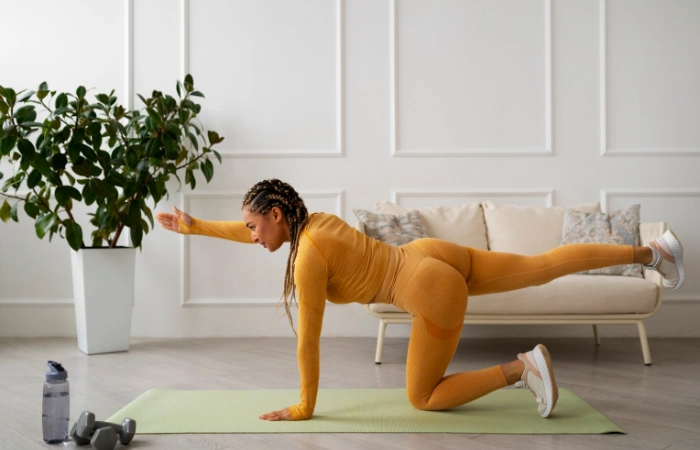
This works whether you’re in Mumbai or Minneapolis — no equipment required for the basics.
Common Fitness Mistakes to Avoid
- Doing everything too fast too early can cause injury and overtraining
- Skipping warm ups significantly more likely to cause injury
- Ignoring rest days recovery IS part of training
- Having other people benchmark your progress against theirs fitness is personal
Key Takeaway: No extreme program is better than a regular, doable fitness habit. Begin modestly. Progress slowly. Make fitness an every day part of who you are.…not just when you happen to be there.
Read More: Best Fitness and Wellness Routines for Daily Health — healthy workout routines, home fitness options, and wellness fitness programs for all levels.
Nutrition for Wellness: Eating to Feel Good
When I think about food, I think about information. The food, or lack of food, I consume each day sends messages to my body messages that influence my energy levels, my mood, my immune system, my digestive tract and even my ability to think clearly.
Wellness nutrition isn‘t about eliminating foods. It‘s about choosing to eat foods that nourish your body and help it flourish.
The Wellness Plate Model
A balanced wellness meal looks like this:
- 50% veggies and fruit – fibres, vitamins and antioxidants
- 25% high quality protein – (chicken, fish, pulses, tofu, paneer).
- 25% whole grains – brown rice, oats, quinoa, roti
- More healthy fats – olive oil, bread, avocado, nuts, seed…

This should be good to go whether you have a traditional Indian menu with dal, sabzi, roti or a Western plate with a salad, grilled chicken and a baked sweet potato.
5 Superfoods Worth Adding to Your Diet
| Superfood | Key Benefit | Easy to Find In |
|---|---|---|
| Turmeric | Anti-inflammatory, antioxidant | India, USA (supplements) |
| Blueberries | Brain health, antioxidants | Both markets |
| Spinach | Iron, folate, vitamin K | Both markets |
| Almonds | Heart health, healthy fats | Both markets |
| Moringa | Nutrient-dense, energy | Widely available in India |
Nutrition Myths vs. Facts
| Myth | Fact |
|---|---|
| “Carbohydrates are unhealthy” | Including whole grain carbs: energy and gut health9, 10, 11 |
| “Eat every 2 hours” | Meal timing is not as important as overall nutrition quality |
| “Fat makes you fat” | Healthy fats are a vital part of working brain and hormone function. |
| “Supplements replace food” | Nutrients occurring naturally in foods. Whole foods provide nutrients in a way that supplements cannot. |
Key Takeaway: Eat more whole foods, fewer processed ones. Priorities nutrients over calories. Your plate should reflect variety, colour, and balance — not deprivation.
Read More: Nutrition and Healthy Eating Tips for Better Wellness — healthy meal planning, balanced diet plans, and superfoods for health, explored in detail.
Holistic Health Practices for Modern Living
Holistic health approach considers the person as a whole, in body, mind and spirit. Instead of masking one symptom after another, this kind of treatment aims to heal the whole person and knows the importance of mind-body-spirit link. It is a tradition that originated a long time ago in India (Ayurveda, yoga) and all over the globe, and its principles have been proved to be right now by expanding modern evidence.
So by 2026 holistic wellness is not a fringe, alternative, or a luxury. It is an intelligent addition to mainstream medicine and it is used by millions of people in India and USA.
Holistic Practices That Have Real Evidence Behind Them
- Yoga:- mind and body benefits lowers cortisol, increases flexibility, promotes mental health–300+ million worldwide.
- Meditation:- has been shown to reduce anxiety; improve focus; and lower blood pressure.
- Ayurvedic nutrition:- seasons and diet based on dosha to help maintain the metabolism
- Breath work (pranayama):– balances the nervous system, increases oxygen efficiency
- Cold/heat therapy:- newer evidence for recovery, reduced inflammation, and improved mood
A Simple Holistic Morning Routine
- Wake without alarm if feasible (honour your body‘s natural clock)
- Have a glass of warm water and lemon
- Any 5 min of relaxing stretch or pranayama
- Have a filling breakfast no screens during breakfast
- Set 3 daily intentions
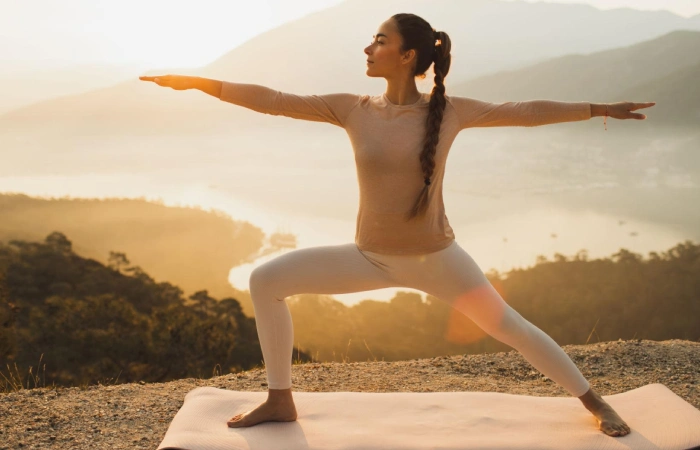
This obviously takes less than 30 minutes and it‘s hitting several wellness dimensions at once.
Key Takeaway: What holistic health is not is about turning away from modern medicine. It is about together nurturing your whole system through time-honored principles which have supported humanity for thousands of years, integrating them with cutting edge scientific findings.
Read More: Holistic Health and Wellness Practices for Modern Living — natural wellness methods, mind-body wellness, alternative therapies, and Ayurvedic practices covered comprehensively.
Sleep and Recovery: The Wellness Habit Most People Skip
Sleep is the best, most accessible, and most beneficial restorative intervention to which we are all entitled. However, one in three adults in the US is sleep-deprived. In India, a Wakefit study in 2023 showed that 93.9% of respondents had poor sleep quality.
Sleep deprivation has a negative impact on nearly all aspect of life: mental focus, metabolic syndrome, immune system, inflammatory status, anxiety depression, appearance, digestion, weight control, and risk for cardiovascular disease, no program of nutrition or exercise can offset the effects of chronic inadequate sleep.
For all adults, the National Institutes of Health sleep guidelines recommend 7-9 hours of sleep per night, but broken down by age groups the guidelines suggest:
Exactly how much sleep do we really require?
| Age Group | Recommended Sleep Duration |
|---|---|
| Adults (18–64) | 7–9 hours per night |
| Older Adults (65+) | 7–8 hours per night |
| Teenagers (14–17) | 8–10 hours per night |
5 Science-Backed Sleep Hygiene Tips
- Try to keep your sleep wake schedule the same, even at weekends
- No screens 60 min before bed blue light suppresses melatonin production
- Cool down your bedroom best sleep temperature is 65–68°F / 18–20C;
- Do not consume caffeine later than 2pm the half-life of caffeine is anywhere from 5–7 hours
- Relax into the evening Reading, easing into gentle stretches and a warm shower help let your brain know that it‘s time for sleep.

Mainpoint: Sleep is not laziness! It‘s the basis for healing the body, clearing the mind and maintaining our hormones. Don‘t neglect this crucial health habit.
Read More: Sleep Health and Recovery Tips for Better Wellness — sleep improvement strategies, healthy sleep habits, and recovery systems covered in full.
Women‘s Health and Wellness: What‘s Different
Women‘s bodies have different natural rhythms, type changes in hormones, health considerations et cetera that make a one-approach-wellness for all inappropriate. From menstruation to menopause, from iron deficiency to hormonal acne, women‘s wellness is a different space entirely.
However, much of the mainstream health and wellness content we consume is still written with a male body as the norm. This is something that is starting to change and it is important.
Key Women‘s Wellness Areas Often Overlooked
- Hormonal health – cycles, perimenopause, PCOS, thyroid function
- Bone density – women lose bone faster after 30, calcium, resistance training essential from that point on.
- Iron deficiency – affects your energy, concentration and immune system is most common in women on their period MC.
- Postpartum wellness – physical health after delivery AND mental health following childbirth
- Cardiovascular risk – heart disease is the number one killer of women worldwide, but frequently under-diagnosed.

Wellness Habits Especially Important for Women
- Strength training 2–3x weekly (body strengthens itself and prevents diseases)
- Sufficient intake of iron and folate
- Following hormonal cycles for energy and mood levels
- Regular gynaecological check-ups
- _Focusing on resting during the luteal phase of the menstrual cycle_
Important point about women’s health: Personalization is actually the whole point. Knowing about your own specific biology is not a luxury it is basic health care.
Read More: Health and Wellness Tips for Women in 2026 — hormonal wellness, women’s fitness, female nutrition, and lifestyle guides built specifically for women.
Workplace Wellness: Your Health at Work Matters
On average, we spend more than 90000 hours in work in our lives. If you‘re work is bad for your health (chronic stress, sedentary hours, poor ergonomics or a toxic culture), no amount of weekend yoga will fix it.
Maintaining wellbeing at work has been placed high on the agenda of 2026. Organisations which recognize the benefits of investing in employee wellbeing cite 25% less staff attrition, increased productivity and a vast reduction in sick leave (Gallup, 2024).
But being healthy in the work place isn‘t just the on the shoulders of the company. For a healthy work place and work Force individual strategies matter just as much.
5 Individual Workplace Wellness Habits
- Have a genuine break for lunch – that includes stepping away from your device each day.
- Move at 45–60 min – intervals set timer, even 2 min of standing is beneficial.
- Establish limits to communication – stop all work related emails shortly after a specified time in the evening.
- Ergonomics investment – Whether it s chair height, the distance to your monitor or the location of your keyboard these things impact on your back each and every day.
- Practice micro-recovery – Breathing/ stretching of 5-minute breaks greatly reduced the pre-lunch fatigue.

Signs Your Workplace Is Affecting Your Health
- Sunday night anxiety / “Sunday scaries”
- Difficulty “unplugging” after work hours
- Recurrent tension headaches or neck discomfort
- Emotional numbing and/or persistent low energy.
- Declining performance despite effort
Main Point: Workplace wellness isn‘t a “luxury benefit;” It‘s a health issue. Lobby for it in your workplace and develop your own daily habits regardless of what your employer is willing to offer.
Read More: Workplace Health and Wellness Strategies for Productivity — employee wellness programs, work-life balance, office wellness tips, and corporate wellness solutions.
Wellness Technology Trends in 2026: Using Tech to Feel Better
Technology has become one of our greatest personal wellness allies when used deliberately. In 2026, wellness tech today includes AI-backed health coaching, wearable biosensors, sleep trackers, mental health apps, and customized nutrition platforms.
By 2027 global expenditure on digital health may be over $660 billion. The US and India are among the fastest growing markets for wellness application,.
Wellness Technology Categories Worth Exploring
| Category | What It Does | Popular Examples (2026) |
|---|---|---|
| Wearables | Records bpm, HRV, sleep, walking steps | Apple Watch, Fitbit, Whoop, Garmin |
| Mental Health Apps | Meditation in a group, therapy. Monitors of emotional states. | Calm, Headspace, BetterHelp |
| Nutrition Apps | Keep track of your food, food log, macros, keep a detailed food log, eat meals together, plan meals | MyFitnessPal, Noom, HealthifyMe |
| Sleep Trackers | Sleep stage analysis, environment monitoring | Oura Ring, SleepWatch, ResMed |
| AI Wellness Coaches | Personalized guidance, daily check-ins | Multiple platforms emerging |

Using Tech Without Letting Tech Use You
Technology is a tool not a solution. Over-tracking can increase health anxiety. The best approach:
- Leverage tech that can identify patterns, not chase original statistics
- Change a weekly review in place of obsessing over daily data.
- Select 1–2 tools and not 10 apps running concurrently.
- Like. For example, take “digital wellness breaks” no tracking weekends once a month.
Main Point: The right wellness technology encourages healthy behaviors. The wrong use of it makes self-care into self-policing. Leverage technology as a companion, not a competition.
Read More: Best Wellness Apps and Health Technology in 2026 — health tracking tools, AI wellness platforms, and the best fitness apps reviewed in depth.
Building Your Personal Wellness Plan: A Starting Framework
Researching about wellness is one thing. Building your personal system is another. Use this simple framework for an entry point:
The Weekly Wellness Baseline (Minimum Effective Dose)
| Area | Weekly Goal | Minimum to Start |
|---|---|---|
| Physical Activity | 150 min moderate movement | 3 x 20-min walks |
| Nutrition | 5 or more servings (1/2 cup or 1 medium) of fruit and/or veg every day. | Adding one additional vegetable for each meal |
| Sleep | 7–9 hours per night | Same bedtime 5/7 nights |
| Mental Wellness | 20 min mindfulness practice | 5 min daily journaling |
| Social Connection | 2–3 meaningful interactions | 1. Phone calls: One call each week. |
| Preventive Care | Yearly physical and blood tests | Book the appointment |
Myth vs. Fact: Health and Wellness Edition
| Myth | Fact |
|---|---|
| “Wellness is expensive” | Most high impact wellness habits are free sleep, movement, water, sunlight, |
| “You need to be perfect” | A consistency of 70% outperforms a perfection of 20% |
| “Results happen fast” | REAL wellness changes may not take hold as habit for 6–12 weeks. |
| “It‘s all about weight loss” | Wellbeing is about the state of your energy levels, mood, how your body is functioning – weight is a small part. |
| “There is no need for healthy people to receive mental health care” | Mental health counts independently of physical health status. |
The Future of Health and Wellness
Wellness in 2026 and beyond is being shaped by several converging trends:
- Personalized medicine using genetic testing and biomarker analysis to customize healthcare plans to fit one individual‘s genetic makeup
- AI health coaching AI appliances provide personalized guidance on well-being on demand using data from wearable devices
- Mental health destigmatization therapy and emotional health finally being treated as something that is normal healthcare
- First of all prevention and primary care rather than waiting a medication, treatment, specific to disease, and changing from fixing when necessary to preventing all together where possible.
- Community wellness group accountability and social wellness replaces the one wellness journey.
- Integrative medicine conventional medicine and holistic medicine combining so they can work well together not independently or not against each other
In the Indian context in particular, Ayurveda and other traditional systems of health are being scientifically validated and incorporated into mainstream medical practice. This represents a major cultural milestone.
The trend of corporate wellness in the USA is moving away from gym discounts towards full-spectrum services including mental health issues, financial wellness and flexible working hours.
This is the future of wellness and it begins today: personal, prevention, whole-person.
Final Takeaways: Your Wellness Journey Starts Here
Health and wellness isn‘t an end point. It‘s not a race that you cross a finish line and ‘arrive’ at optimal health status. It‘s a continuous process that evolves over time in your body, your life and your mind.
Here‘s what we know for certain:
- Mental health is the essential without it everything else is more difficult.
- A movement does not need to be excessive to be successful.
- Nutrition is about quality and consistency, not perfection
- Sleep is the most underappreciated health aid of all.
- Alternative approaches are a wonderful complement to modern medicine.
- Technology can help when used intentionally
- How Your Specific Needs in Of Woman, An Employee, A Mom, An Indian Or American Count.
Begin. Where are you now? Choose one thing. Do one thing. Connect it to the next.
This is how health and wellness actually happen.
FAQs
What is health and wellness?
Health and wellness. Is defined as a state of positive physical, mental and social well-being. Where health is your state of being and wellness is an active process through which we choose behaviors to stay positive and balanced.
What are the 8 dimensions of wellness?
The eight dimensions of wellness include physical, mental/emotional, social, occupational, spiritual, environmental, intellectual and financial. So called ‘wellness’ is having concern for all the areas of wellness, not just physical.
Ways to kick-start a health and wellness routine:
Begin with achievable goals: 3×30 minutes of exercise per week, increase daily vegetable servings by 1, maintain a regular sleep schedule, and 5 minutes of meditation or reflection. Increase gradually. Remember: perseverance trumps effort.
What is the significance of mental health to the overall wellness?
Your mental health influences every aspect of wellness including your motivation to include physical activity into your lifestyle, your ability to maintain good eating habits, and the quality of your sleep. When your mental health is compromised, other wellness pursuits will become more difficult to accomplish.
What is holistic health? How does it compare to mainstream medicine?
Whole person health:The overall health of mind, body and spirit is approached in holistic health as opposed to one body part at a time practiced by other programs. The focus of holistic health is on health while mainstream medical treatment is primarily on healing individual physical symptoms of a disease. They function well in conjunction.
How many hours of sleep do adults need for optimal wellness?
Typical adult requirements are 7–9 hours a night. Sleep deprivation impacts mental alertness and functioning, metabolism, mood, the immune system and the cardiovasular system. Regular sleep and waking times are just as important as hours per night.
What wellness technology is most effective in 2026?
The best wellness technologies of 2026 include: 1) Wearables (for monitoring of heart rate, sleep and activity), 2) mental health applications (for guiding meditation and therapy) and 3) ai-enabled health coaching platforms. Select applications that help achieve your health goals, while not giving you tracking anxiety.
What are the most important wellness habits for women?
Women‘s major health priorities were identified as: strength training (for bone density), sufficient iron and folate, bone health, regular gynae examinations, and mental health concerns (especially postpartum, and hormonal transitions).
How does workplace wellness affect overall health?
Undesirable workplace wellness (by chronic stress, too much time at sedentary jobs, Work-Life imbalance) is related to many welfare problems such as cardiovascular disease, psychological diseases, obesity, burn out. Everyday habits of workplace wellness greatly decrease the risks even without employee directed program.
What is the difference between health and wellness?
Health- a state which defined as who are free from disease. Wellness-actively activated lifestyle process that engulfs our physical, mental, social, and spiritual selves. An individual can be “healthy” in the technical sense and still be un-well.