Adaptogens & Natural Stress Relievers: Do They Work in 2026?
Published: September 8, 2026 Last Updated: September 17, 2026 If you have ever looked into natural remedies for stress,
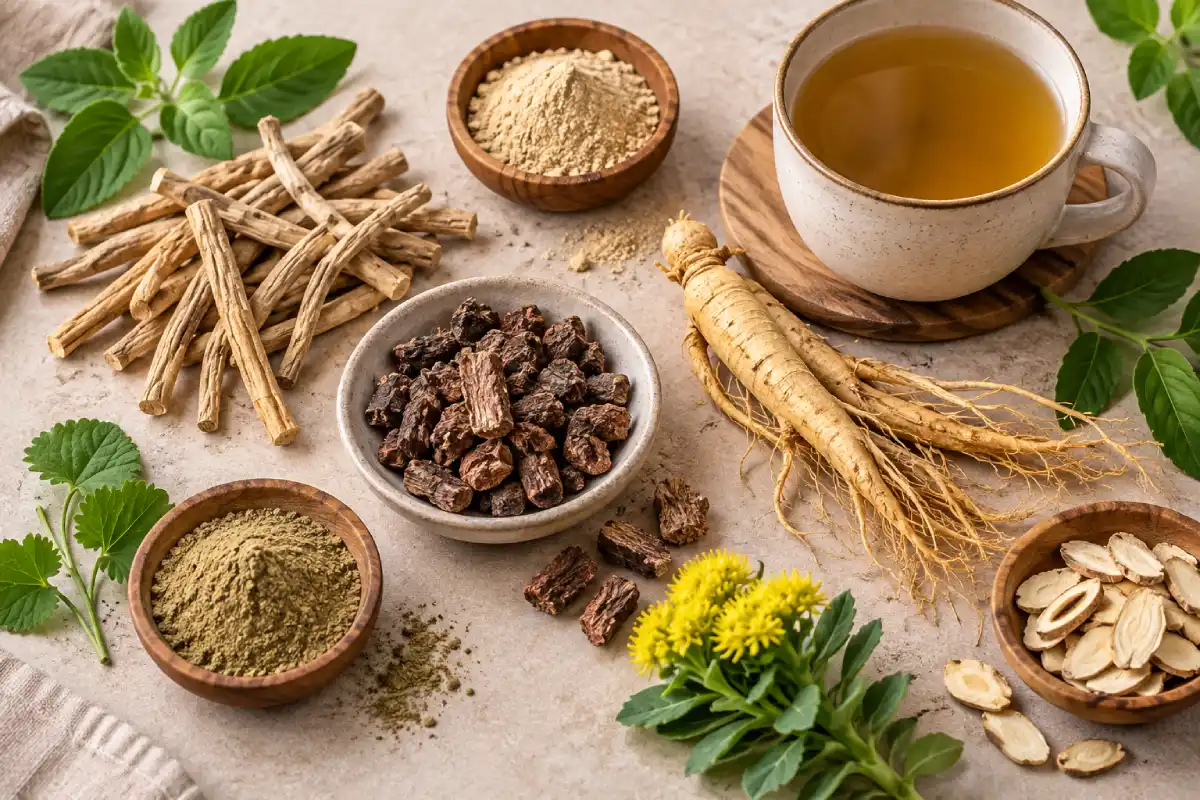
If you have ever looked into natural remedies for stress, you‘ve probably seen the term adaptogens for stress herbs told to help your body time stress better. Do they live up to the hype, or is this just another quick healthy fix? Here‘s an honest assessment of what really has research behind it, what doesn‘t, and how you can approach these options practically.
What Are Adaptogens, Actually?
Adaptogens: A variation of herbs and roots that aids in a balanced response to the body‘s internal stress gates, rather than sedate one into a higher state of consciousness or excite one into an energized state. Derived from the principles of Ayurveda and traditional Chinese medicine, contemporary studies have found some of these herbs and roots effective.
The main take away here: adaptogens do not get rid of your stressors. Their job is to train your body to deal with the stress more effectively, and therefore it takes them some time.
Calming Adaptogens
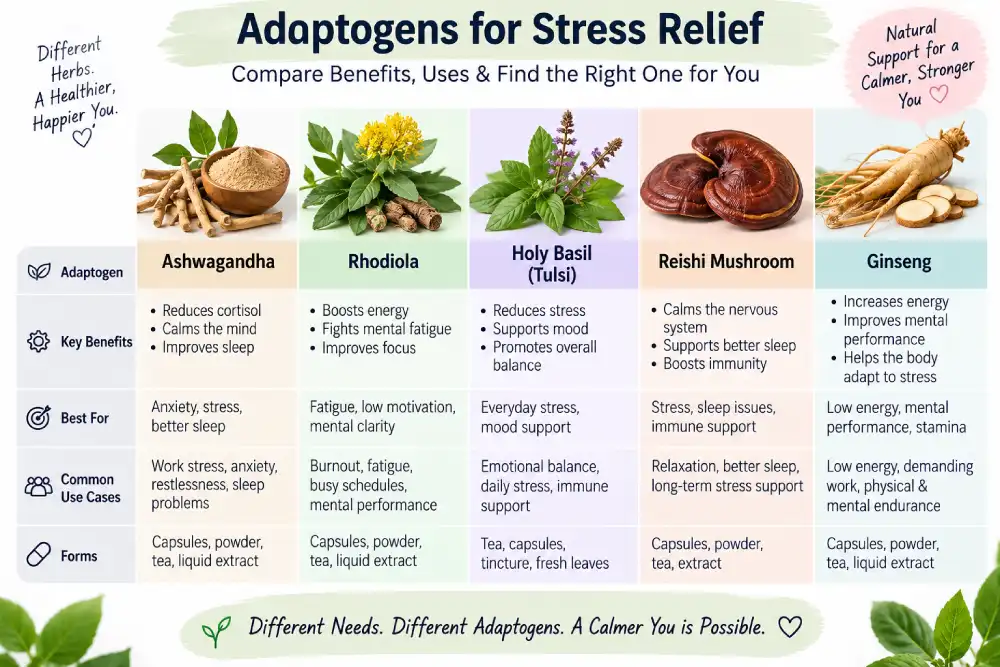
Ashwagandha Arguably the most researched adaptogen to help the body cope with stress, Ashwagandha has been consistently linked with reduced perception of stress as well as a balance in cortisol levels in various studies when taken on a regular 6-8 week basis. It is often described as ‘calming’ and many people take it in the evening.
Tulsi: In Ayurveda tulsi is another common herb which is used as a relaxing and slightly grounding remedy. Often used as a tea.
Magnoliabark A lesser-known sleep aid that is garnering attention for its anxiety-reducing effects and more often used as a pre-sleep sedative.
Energizing Adaptogens
Rhodiola rosea Instead of being sedating like ashwagandha, rhodiola is typically used as a stimulant, in situations where an individual is suffering from stress-related fatigue and mental fatigue at demanding times. Usually taken in the day time.
Ginseng (Panax and Siberian) ‘has traditionally been used to support energy and resilience in the face of stress’. It is another ‘adaptogen’ of which we are more likely to think of in terms of alertness rather than relaxation, so the time of day is relevant.
Magnesium: The Underrated Stress Mineral
Magnesium is not an adaptogen per se, but earns a paragraph in any discussion of natural methods to reduce cortisol. Magnesium is both directly involved with the stress response, and it is common for many to be slightly deficient without knowing, and this excess can intensify some symptoms of excess stress, such as tight muscles, poor sleep and snappiness. Magnesium Glycinate is often added to products targeting stressed individuals, and aiding sleep, as it “gentler” on the digestion than other forms.
You can also Read:– burnout recovery
Comparison Table: Which One Fits Your Need?
| Option | Best For | Typical Timing | General Timeline to Notice Effects |
|---|---|---|---|
| Ashwagandha | Général stress, relaxant. | Evening | 4-8 weeks |
| Rhodiola | Fatigue, mental agility under pressure | Morning | 2-4 weeks |
| Tulsi (Holy Basil) |
Gentle daily grounding |
Anytime, often as tea |
2-6 weeks |
| Magnolia Bark | Pre-sleep relaxation | Evening | 2-4 weeks |
| Magnesium |
Muscle tension, sleep, irritability |
Evening | 1-3 weeks |
Common Mistakes People Make With Adaptogens
- Cause a relapse, and then dither, days or weeks, over whether to try another course of treatment.
- You are taking a potent adaptogen before bed that will act as a stimulant rather than a stress management remedy.
- Mixing new supplements prematurely and combinations that just complicate our bodies path to progress.
- Pay attention to the interactions with medications, such as thyroid medication, sedative or blood pressure.
Who Should Be Cautious
Adaptogens are not necessarily safe for everyone. It may be wise to consult your doctor before taking adapting herbals, for pregnant or breast-feeding women, those with a thyroid condition, those on blood pressure or mood-altering medications, and even for sedative medications, because some adaptogens may magnify the sedative effects.
How Adaptogens Fit Into a Bigger Routine
Adaptogens work best as a supporting layer, not a standalone fix. They’re most effective when paired with the fundamentals — consistent sleep, regular movement, and nervous-system tools like breathing exercises. If sleep is part of what’s driving your stress, our guide on how to sleep better under stress covers the routine changes that make the biggest difference.
Conclusion
Adaptogens for stress aren’t a myth, but they’re also not magic — the research supports gradual, modest benefits for options like ashwagandha, rhodiola, and magnesium when used consistently and matched to your actual need. Start with one option, give it several weeks, and pair it with the foundational habits that make the biggest difference. For the complete picture on managing stress day to day, visit our stress management guide.
For more on the research behind adaptogens, the National Library of Medicine’s PubMed Central database is a useful external reference for peer-reviewed studies.
FAQs
Are adaptogens effective against stress? For some adaptogens, mainly ashwagandha and rhodiola, research indicates that they can have a slight effect in lowering perceived stress levels and balancing out cortisol, however this takes time to occur, not instant effects.
Which adaptogen works best for stress and anxiety? For overall calming effects, ashwagandha is most effective. However, for stress related mental fatigue and lack of clarity, rhodiola is more appropriate.
What is the efficacy time of adaptogens? Usually adaptogens take from 2 to 8 weeks of regular use to have a significant effect, varying according to the herb and the person.
Is magnesium good for stress? Although an indirect factor, magnesium is involved in the body’s response to stress; magnesium glycinate is often taken for relaxation, sleep support and a decrease in muscle tension.
Can You Take Adaptogens Daily? Plenty of adaptogens are taken daily in conventional and herbal medicine, so ask a doctor, nurse or other healthcare professional before you start taking them daily if you are pregnant, have a thyroid problem or are on other