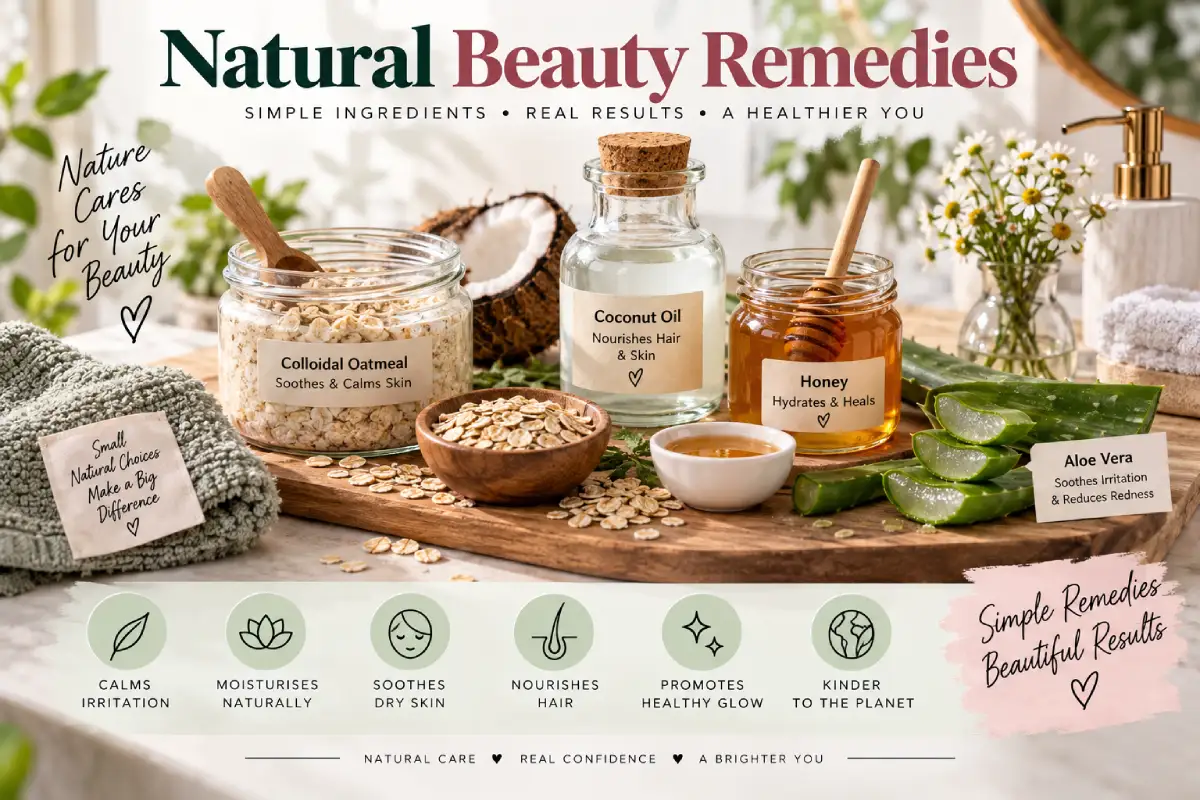
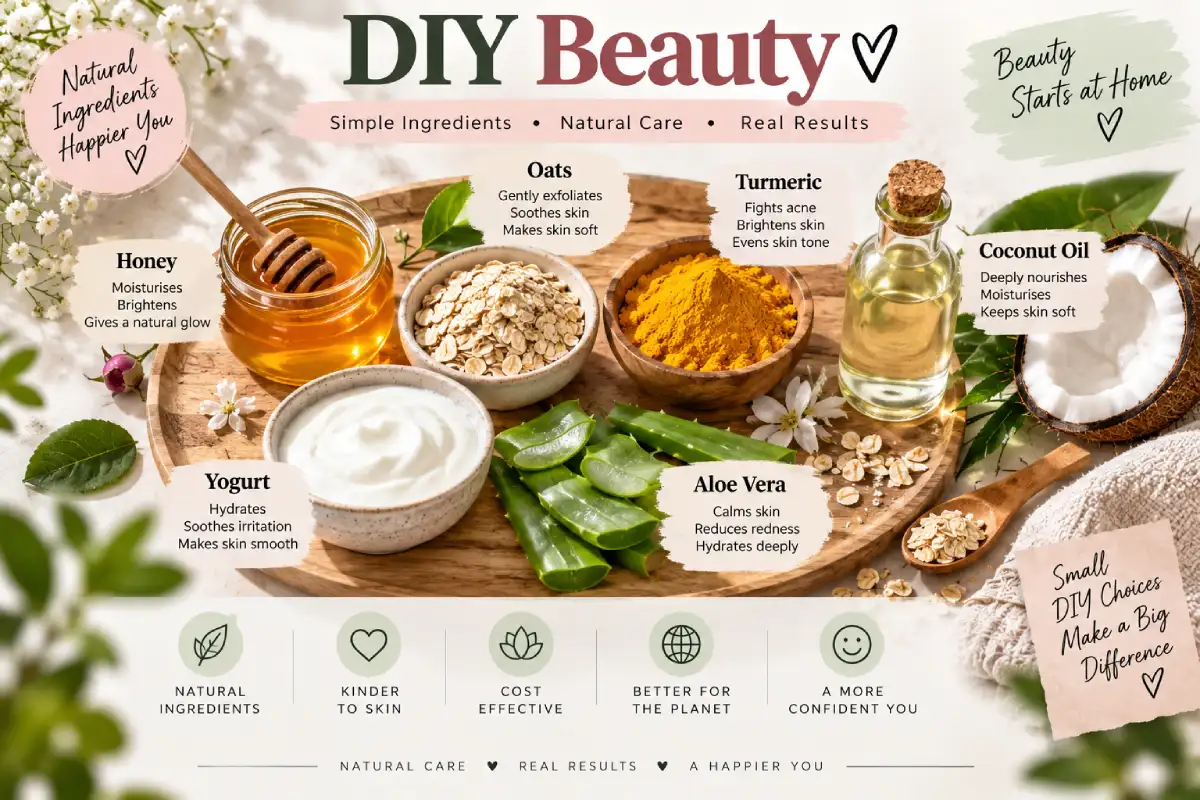
Natural Beauty Care: Simple Everyday Practices for Your Beauty
Published: September 17, 2026 Last Updated: September 17, 2026 Natural beauty care works best when you can fit it

Natural beauty care works best when you can fit it into an ordinary morning and evening. Start with gentle cleansing, moisturizer, and sun protection, then decide whether anything else earns a place. You can prefer plant-derived ingredients while still choosing products for their suitability, comfort, and purpose.
What Is Natural Beauty Care?
Natural beauty care is an everyday approach to caring for your appearance that often favors plant-derived ingredients and straightforward habits. The term does not describe a standardized medical routine, and a “natural” label cannot tell you whether a product will suit your skin.
Ingredient origin alone does not establish safety. Plants can contain substances that cause allergic reactions, and organic ingredients are not automatically safer than other ingredients. The FDA’s explanation of organic cosmetics makes this distinction clear.
Simple Natural Beauty Care Practices
Give each part of your day a clear purpose: prepare and protect in the morning, then remove the day’s buildup and moisturize at night.
Morning: cleanse, moisturize, protect
Use lukewarm water and a gentle facial cleanser. Apply it with your fingertips, rinse, and pat dry. Scrubbing harder does not make washing more effective; it can irritate your skin. The American Academy of Dermatology’s face-washing guidance recommends limiting washing to twice daily and after heavy sweating.
Use a moisturizer that contains sunscreen. Apply a broad spectrum, water resistant sunscreen with an SPF of 30 or higher on all exposed skin. Remember to reapply the sunscreen approximately every two hours when outside and after swimming or sweating, as directed by the package directions. Use sunscreen with shade and clothing as part of your plan.
Maintain your SPF in your routine through all skin tones. An oil or botanical mist is not a substitute for a labeled sunscreen.
Evening: remove makeup and keep care gentle
Remove makeup using a product intended for that purpose, following its instructions. Cleanse gently and moisturize. You do not need a scrub, mask, and toner every night to make the routine complete.
If you wear makeup, keep its application steps separate from your care essentials. Cultones’ step-by-step makeup tutorial covers that separate part of getting ready.
Extend basic care to your body: after bathing, apply moisturizer while your skin is still slightly damp. For dry skin, choose warm rather than hot water and keep showers brief. These measures follow the AAD’s dry-skin recommendations.
How to Build Natural Beauty Habits
Start with products you already tolerate. Replacing your whole shelf at once makes it harder to work out which change helped or caused discomfort.
Try this manageable setup:
- Choose two cues. Connect morning care to brushing your teeth and evening care to getting ready for bed.
- Keep essentials together. Give your cleanser, moisturizer, and sunscreen an accessible place, following their storage instructions.
- Record your starting point. Note whether your skin feels comfortable, tight, itchy, or oily.
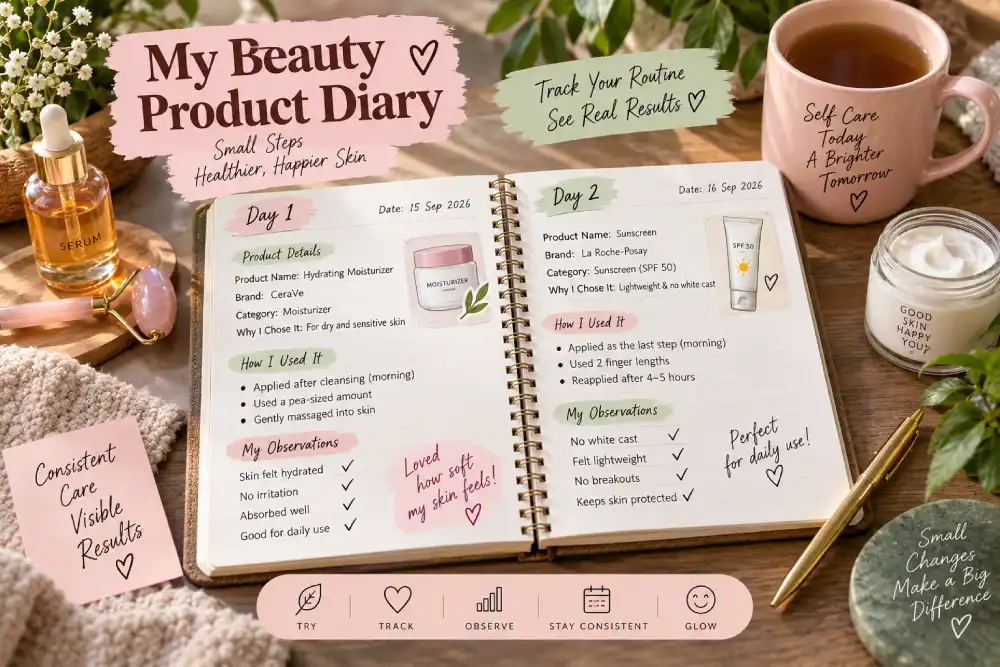
- Change one product at a time. Write down its name and the date you introduced it.
- Review the routine once a week. Look for comfort and practicality, rather than inspecting every pore each morning.
For new skincare products, the AAD recommends testing a small area twice daily for seven to ten days. Follow the product’s directions for contact time, especially with rinse-off products. Stop if you develop a reaction. This home check does not guarantee future tolerance or replace diagnostic allergy testing.
Read more: Natural Beauty Tips — for a full, skin-type-by-skin-type breakdown of daily and weekly habits.
Natural Ingredients and Beauty Care
A product can contain a familiar botanical ingredient and still have an unfamiliar overall formula. Read the complete label rather than choosing by the ingredient pictured on the front.
| What catches your attention | What to check before adding it |
|---|---|
| Aloe, oats, or another botanical | Full ingredients, intended use, and any ingredients you already react to |
| A plant-oil blend | Whether it is formulated for the face or body and how it fits your existing routine |
| “Organic” on the package | The specific claim; do not treat it as proof of gentleness |
| A short ingredient list | Whether the product performs the job you need; length alone cannot establish safety |
You might enjoy ingredients associated with familiar beauty traditions in India, or prefer botanical products available in US stores. Either way, familiarity is a preference, not an individual safety test.
For sensitive skin, fragrance deserves attention. “Unscented” products can still contain fragrance-related ingredients, and botanical formulas may contain them too. If fragrance triggers your skin, look for fragrance-free options, as explained in the AAD testing guidance above.
How to Keep Natural Beauty Care Simple
Choose products for the conditions you experience rather than treating either country as having one climate. A humid commute in Mumbai or Miami may make heavy layers uncomfortable. A dry winter in Delhi or Chicago may call for a richer moisturizer.
Adjust one part of the routine first:
- Skin feels dry: Consider a cream or ointment instead of a lighter lotion.
- Layers feel heavy: Review optional oils or serums before adding another product.
- You keep skipping evenings: Put your essentials beside your toothbrush and shorten the routine.
- Spending keeps increasing: Replace an empty essential before buying an optional treatment.
The AAD’s budget skincare guidance supports a simple cleansing, moisturizing, and protection routine. Expensive products are not required.
Stop using a new product if it causes itching, redness, or swelling. Persistent irritation or a severe reaction needs professional assessment rather than another round of experimenting.
Once your routine is comfortable, explore Cultones’ natural beauty tips selectively.
FAQs
Does natural beauty care mean avoiding all synthetic ingredients?
No. You can prefer botanical ingredients without excluding a well-tolerated product because it also contains synthetic ingredients. Judge the complete formula and its intended use.
Do I need a toner or face mask every day?
Neither is part of the basic cleansing, moisturizing, and sun-protection routine. Add an optional step only when it serves a clear purpose and your skin tolerates it.
What if I miss my evening routine?
Resume at the next usual opportunity. Avoid trying to compensate with extra scrubbing or several new treatments. Make your evening setup easier if missing it becomes frequent.
Should everyone in my household use the same products?
No. Shared convenience does not establish suitability. Different skin needs, allergies, and preferences may require different choices, even when everyone follows a similar routine.
When should I get help with a product reaction?
Wash off the suspected product and stop using it. Seek medical advice for a severe or persistent reaction; a dermatologist can assess whether allergy testing is appropriate.
Final Conclusion
Natural beauty care becomes easier when every step has a purpose. Keep your daily essentials manageable, introduce changes gradually, and let skin comfort guide your choices. Start by organizing the products you already tolerate into a morning and evening routine, then add only what you need.