Hair Care Routine in Winter: Prevent Dryness, Frizz & Breakage
Published: September 14, 2026 Last Updated: September 14, 2026 Cold weather doesn’t just dry out your skin — it
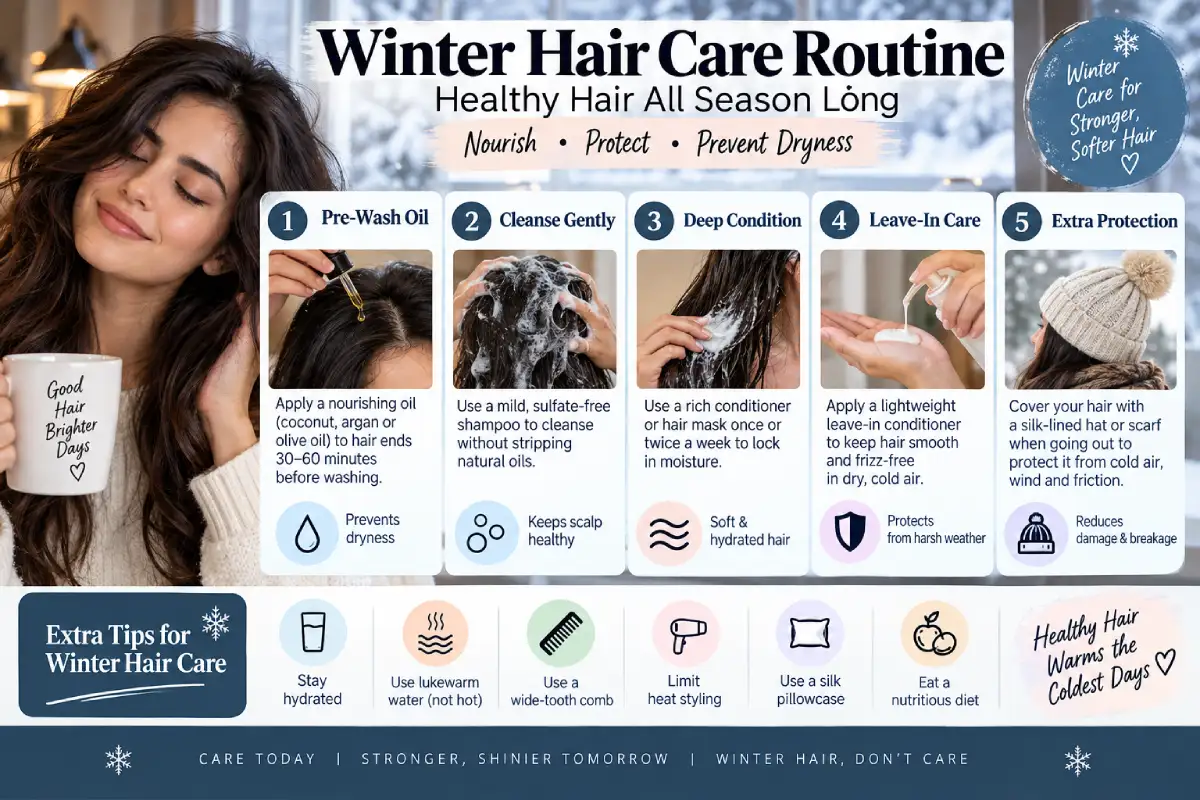
Cold weather doesn’t just dry out your skin — it does the same thing to your hair. Low humidity, indoor heating, and hot showers all pull moisture out of the hair shaft faster than it can be replaced, which is why so many people notice more frizz, static, and breakage once winter sets in. A winter hair care routine simply means adjusting your normal routine — washing, conditioning, and protecting your hair — to work with drier air instead of against it. You don’t need a completely new set of products; you need to change how and how often you use the ones you already have.
Why Does Hair Become Dry and Frizzy During Winter?
Dermatologists note: Frizz happens when the outer layer of the hair strand, called the cuticle, lifts and roughens instead of lying flat. In humid weather, this usually means the hair is absorbing too much moisture from the air. In winter, it’s the opposite problem: the air itself holds very little moisture, so hair loses water to its surroundings instead of gaining it. That leaves strands dry, brittle, and more prone to static and flyaways.
A few winter-specific factors make this worse:
- Low outdoor humidity draws moisture out of the hair shaft, especially in colder US states and during North India’s dry winter months.
- Indoor heating and room heaters dry out the air inside your home, which affects hair even when you’re not outside.
- Hot showers, while comforting in cold weather, strip natural oils from the scalp and hair faster than lukewarm water.
- Wind exposure roughens the cuticle mechanically, on top of the moisture loss already happening.
- Wool caps and scarves can cause friction against hair, leading to tangles and breakage if hair isn’t protected underneath.
None of these causes are permanent damage — they’re environmental stress that a few routine changes can offset.
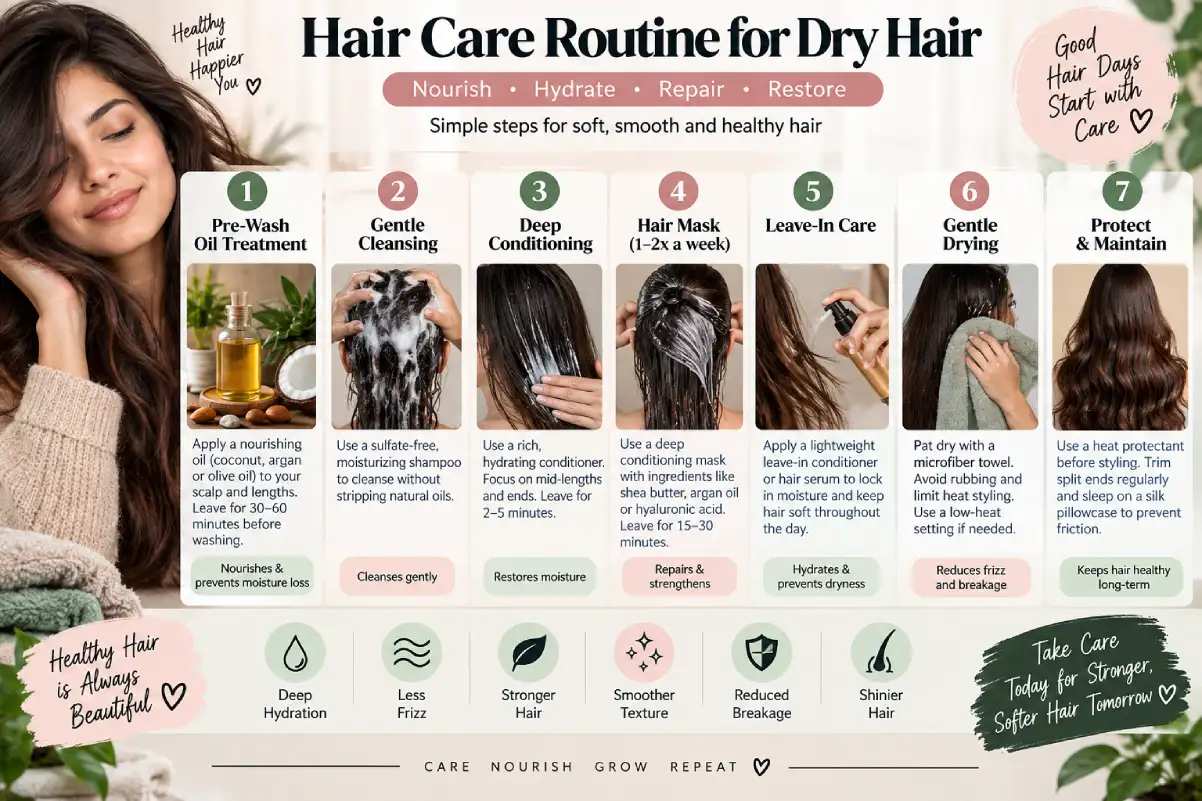
Read more: Hair Care Routine for Dry Hair: Complete Repair Guide
Step-by-Step Winter Hair Care Routine
Think of this as your regular routine with four adjustments layered in, not a separate system.
- Start with a pre-wash oil treatment. Warm a small amount of coconut, almond, or argan oil and apply it to the lengths and ends about 30 minutes before washing. This helps cushion the hair shaft against the stripping effect of shampoo and hot water.
- Wash with lukewarm, not hot, water. Hot water opens the cuticle and washes away natural oils your hair needs more of in winter, not less.
- Use a moisture-focused shampoo. A sulfate-free, hydrating formula cleanses without over-stripping, which matters more in winter than in summer.
- Switch to a richer conditioner. If you use a lightweight, water-based conditioner in summer, winter is the time to move to a creamier formula with emollients like shea butter or plant oils.
- Deep condition once a week. A hydrating mask left on for 15–20 minutes replenishes moisture that daily conditioner alone won’t fully restore in cold weather.
- Seal with a leave-in or light serum. Apply to damp mid-lengths and ends to lock in the moisture from your wash before it evaporates in dry air.
- Air-dry when you can, and use a heat protectant when you can’t. Heat styling in already-dry winter air compounds moisture loss.
- Protect hair before stepping outside. A silk-lined hat or a light scarf reduces both wind exposure and friction damage from wool fabric.
How Often Should You Wash Your Hair During Winter?
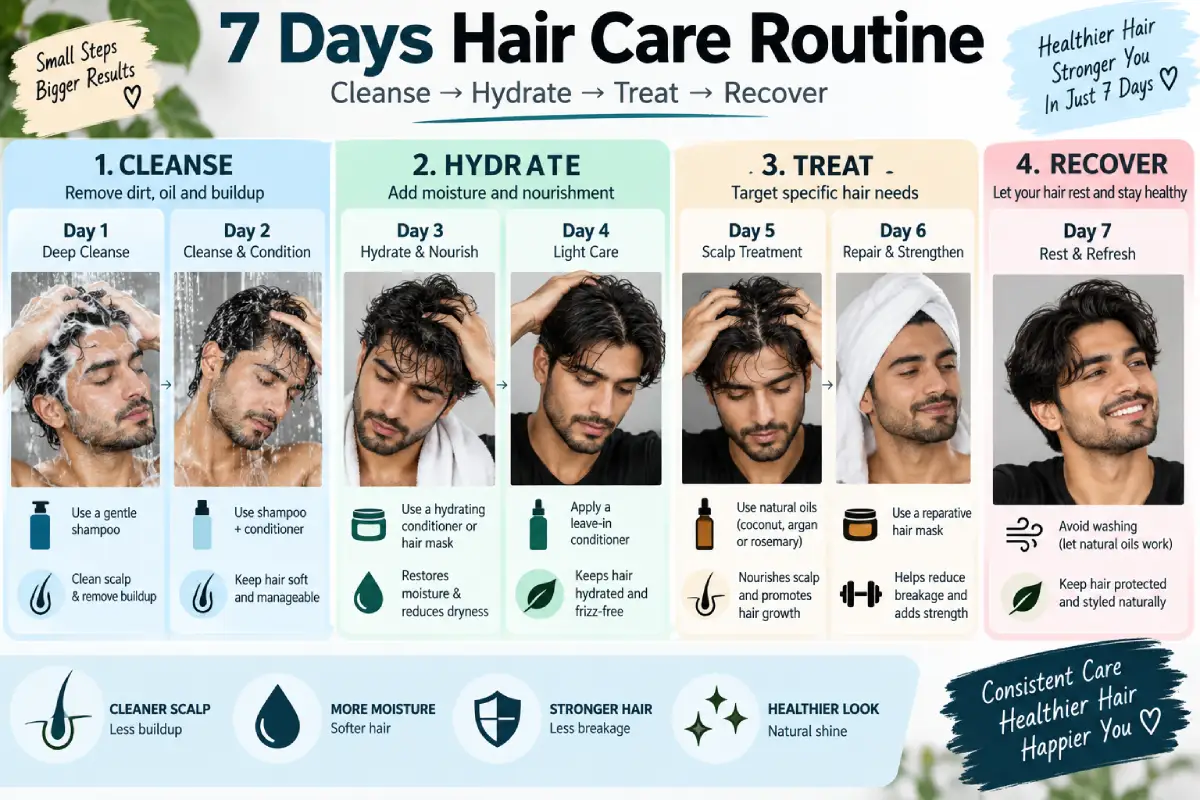
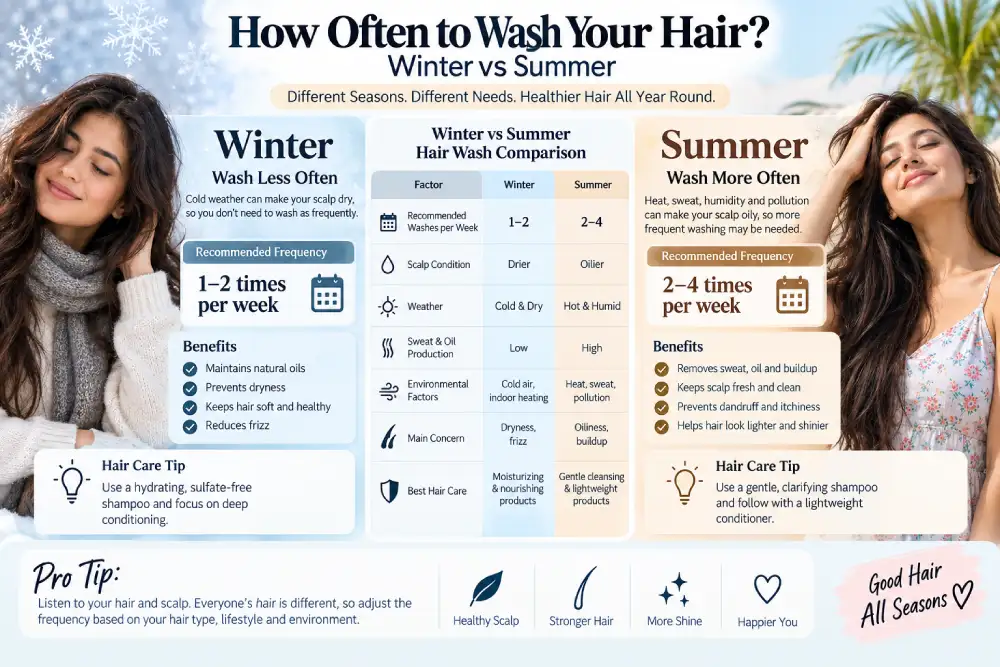
For most hair types, winter is a reasonable time to stretch your wash days slightly — for example, moving from every other day to every two to three days, or from daily to every other day if your scalp isn’t very oily. This isn’t a strict rule; oily scalps may still need more frequent washing, while dry or curly hair often does well with even longer gaps between washes in winter. The goal isn’t to wash less for its own sake — it’s to reduce how often hair is exposed to hot water and stripping shampoo while natural oils are already harder to replace.
How to Keep Your Hair and Scalp Moisturized in Cold Weather
Moisture retention in winter comes down to reducing water loss and reinforcing what’s already there:
- Run a humidifier in rooms where you spend a lot of time with the heat on, especially bedrooms overnight.
- Massage your scalp with a light oil once or twice a week to support circulation and ease dryness-related flakiness.
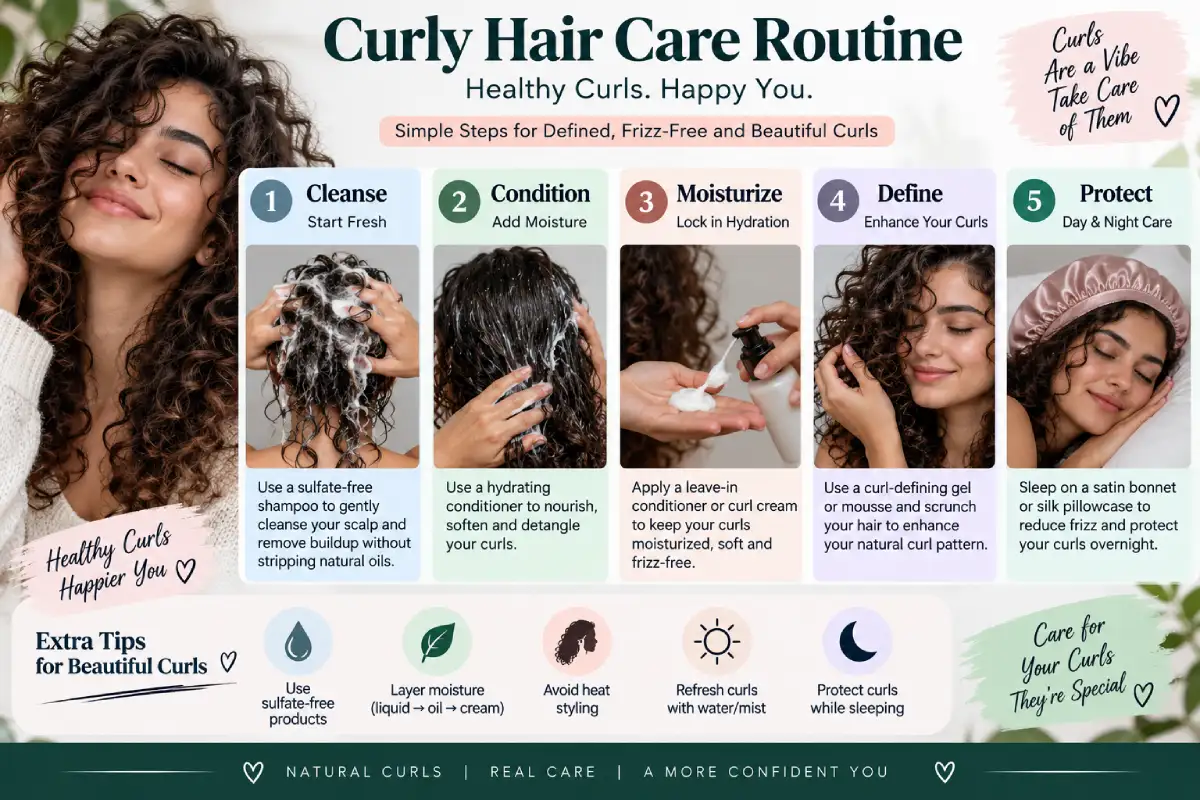
- Sleep on a silk or satin pillowcase, which creates less friction than cotton and helps hair hold onto moisture and shape.
- Avoid over-brushing dry hair, since brushing too often on already-dry strands increases breakage.
- Keep drinking water and eating a balanced diet, since overall hydration and nutrition support hair health from the inside, even though topical care does most of the visible work.
Winter Hair Care Mistakes That Can Cause Dryness and Breakage
- Using very hot water “because it’s cold outside.” It feels good in the moment but dries hair out faster than lukewarm water.
- Skipping conditioner or masks because hair “feels fine.” Winter damage often builds up gradually before it becomes obvious.
- Going outside with wet hair in freezing temperatures, which can make strands more brittle and prone to snapping.
- Overusing heat tools to compensate for slower air-drying, which adds heat damage on top of existing dryness.
- Wearing wool hats directly on unprotected hair, which increases friction and static.
- Sticking to your summer routine unchanged, including the same lightweight products and wash frequency that worked when the air was more humid.
FAQs
Do I need a completely different hair care routine in winter? No — you need targeted adjustments to your existing routine, such as a richer conditioner, slightly less frequent washing, and added protection from wind and indoor heat, rather than an entirely new set of products.
Is oiling hair every day helpful in winter? Not usually. One or two oil treatments a week is enough for most people; daily oiling can lead to buildup on the scalp without extra benefit.
Can indoor heating damage hair even if I’m not going outside? Yes. Indoor heating lowers humidity indoors, which pulls moisture from hair the same way cold outdoor air does — this is a common issue in heated US homes during winter.
Should I use a hair mask or a leave-in conditioner in winter? Both serve different purposes: a weekly deep conditioning mask restores moisture over time, while a leave-in or light serum helps seal that moisture in day to day. Most winter routines benefit from using both.
Does winter increase hair fall? Some people notice more visible shedding in winter, often linked to dry, sensitive scalp conditions rather than the cold itself. If shedding is sudden, heavy, or doesn’t improve with a gentler, more moisturizing routine, it’s worth checking in with a dermatologist rather than assuming it will resolve on its own.
Conclusion
A Hair care routine in winter doesn’t need to be complicated — it just needs to work with the season instead of ignoring it. Washing slightly less often, switching to richer conditioning, adding a weekly moisture treatment, and protecting hair from wind and indoor heat will handle most of the dryness, frizz, and breakage that cold weather causes. If you haven’t already mapped out your hair type and porosity, that’s worth doing first, since it shapes exactly how rich your winter products should be. For the full year-round framework this routine builds on, see the complete hair care routine guide.
Final Conclusion
The article’s closing paragraph reinforces the target keyword (“winter hair care routine”) while pointing the reader back to the pillar’s hair-type and porosity framework, then explicitly links to the main pillar page — completing the cluster-to-pillar linking loop without repeating the pillar’s own content.