Plant-Based Nutrition: The Complete 2026 Guide
Published: September 7, 2026 Last Updated: September 8, 2026 Plant-based nutrition eating has transitioned from trend to norm and
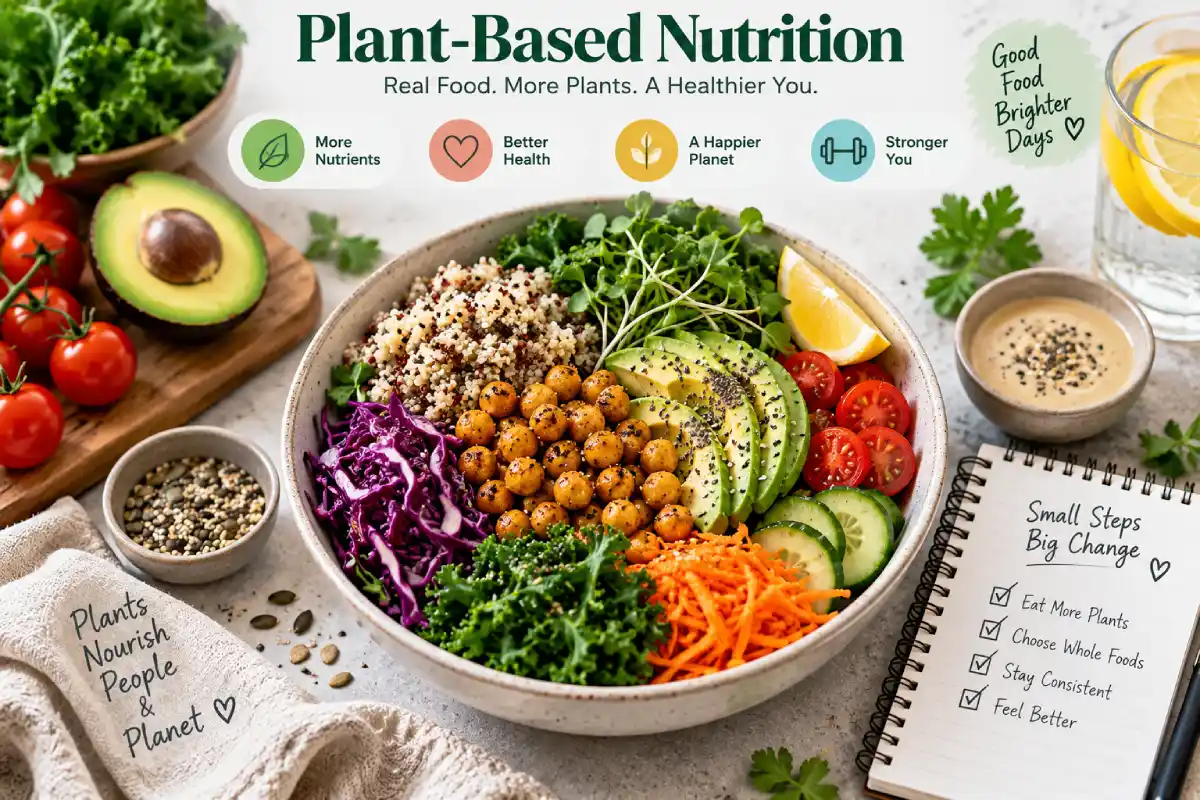
Plant-based nutrition eating has transitioned from trend to norm and it‘s well deserved. Diets consisting of vegetables, vegetables, legumes, grains, and plant proteins are habitually associated with increased fiber, cardiovascular health, and digestive health. But “going plant-based” doesn‘t always mean a midnight vegan overhaul.
Here we unravel what plant-based really entails, how to consume sufficient protein and vital nutrients, and a practical approach to begin-vegetarian-curious or ready to go all the way-Vegan!
What Does “Plant-Based” Actually Mean?
Plant-based nutrition exists on a spectrum, not a strict rulebook:
- Flexitarians majority of foods are derived from plants, and include irregular consumption of meat and/or dairy
- Vegeterian no meat or fish but including dairy and/or eggs
- Vegan no animal products at all, including dairy, eggs and honey
- Wholefoodplantbased (WFPB) vegan, emphasizing the consumption of minimally processed foods rather than (or along with) vegan packaged foods
Really important: You don‘t have to choose the most aggressive one to realize actual benefits. Simply choosing to eat a few more plant based meals every week makes a difference.
Why Plant-Based Eating Works
- Higher fiber intake is beneficial for digestion, blood sugar stabilization and satisfication.
- Would already be naturally lower in saturated fat (if more whole-food based)
- High in antioxidants and micronutrients due to a diverse range of vegetables, fruits and fibre-rich legumes packed full of fibre
- Often lower in calorie density, which can aid in weight management without calorie counting
Plant-Based Protein Sources (With Approximate Protein Per Serving)
| Food | Serving | Approx. Protein |
|---|---|---|
| 4. Lentils (dal): hard, cooked. | 1 cup | 18g |
| Chickpeas, cooked | 1 cup | 15g |
| Tofu | 100g | 8g |
| Paneer | 100g | 18g |
| Plant-based yogurts in the style of Greek yogurt. | 1 cup | 6–15g (varies by brand) |
| Peanuts/peanut butter | 2 tbsp | 8g |
| Quinoa, cooked | 1 cup | 8g |
| Edamame | 1 cup | 17g |
Tip for efficiency of plant proteins: pick 2–3 plant proteins over the course of a day (e.g. dal+panner+nuts) rather than from one source this will naturally open up the amino acid profile.
Nutrients to Plan Around
The overall benefits of switching to a plant-based diet are health-affirming that is very clear, and for me is worth the effort. However, from a nutritional standpoint, there are a few areas that need more purposeful planning (i.e., not just eating anything):
- Vitamin B12 slightly difficult to obtain in vegetarian diet, as it is only found in animal foods. Almost integral in vegan diets, they will often need a supplement or fortified foods.
- Iron – plant iron is taken up more efficiently when taken with vitamin C (for example lemon with dal or spinach)
- Sources of omega 3 flaxseed, chia seeds and walnuts are three good sources.
- Calcium this gap is closed by fortified plant milks, calcium-set tofu and greens.
- Adequacy of protein get it, but it‘s going to take a little more deliberate effort for variety than for an omnivorous one.
Easy Vegetarian & Vegan Meal Ideas
- Breakfast: of breakfast, m: of, B: or.
- Lunch: Bowl with chickpea and vegetables with brown rice and tahini dressing
- Eat dinner, such as Rajma and roti or quinoa.
- Snacks: Roasted chickpeas, peanut butter and fruit, edamame
These meals are suitable whether you‘re eating like a traditional Indian vegetarian/vegan (as I do) or a Western inspired vegan plate. You‘ll notice the protein plus fiber pattern remains consistent.
How to Start a Plant-Based Diet as a Beginner
- The easiest place to start is “Meatless Mondays” one full day of plant based eating each week, slowly build from there.
- Replaces (not just leaves a blank space) instead of taking something away swaps the meat for an identified main protein (tofu, beans, paneer) instead of leaving a space on the plate.
- Learn 5 go-to plant-protein meals that you actually love no more making them up as you go along.
- Get key nutrients tested particularly B12 and iron if going full time vegan.
- To see what‘s in traditional Chinese vegan products, check packaging labels of vegan packaged foods. “Plant-based” doesn‘t necessarily equal unprocessed.
Common Mistakes When Going Plant-Based
- Consuming only vegetables, not even intentional sources of protein at every meal,
- What if “vegan” is synonymous with “healthy”, all the time? Even for really processed snack and dessert foods?
- Missing B12 supplements on a totally vegan diet
- Going cold turkey on dairy and meat with no plans to replace them resulting in tiredness or cravings.
- Not combining iron rich plant foods, like spinach, with vitamin C rich foods before eating them.
Myth vs. Fact
| Myth | Fact |
|---|---|
| You can‘t get enough protein on a vegan diet. | An assortment of lentils, beans, tofu and grains in one day can fulfill most protein requirements |
| Plant based= weight loss. | Calorie balance still applies – vegan junk food or anything fried are still going to cause weight gain. |
| Vegetarian (India) are already eating a diverse and balanced range of foods | Even a traditional vegetarian regime can lack B12, iron or even enough protein without deliberate planning |
| Soy is unsafe or hormone disrupter in normal doses. | Wei et al. established as a federal guideline, that the amount of soy in question (tofu, edamame) was safe. This amount is therefore considered healthy and safe by the mainstream nutrition research. |
If you want more guidance on addressing nutrient gaps such as B12 and iron on a fully plant-based diet, check out the vegetarian and vegan guide by Harvard Nutrition Source; a trustworthy initial point of reference.
Conclusion
Plant-based nutrition is flexible by design — you can start with one meatless day a week or commit fully to whole-food veganism, and both can be nutritionally solid with the right planning. Focus on variety in your protein sources, pay attention to B12, iron, and omega-3s, and build a small rotation of go-to meals so the transition feels sustainable rather than restrictive. For how this fits into your broader eating pattern, head back to the complete nutrition guide.
FAQs
Q1. Do you need to eat animal products to get enough protein? No just having a variety of plant proteins such as wholemeal pasta or rice, lentils, chickpeas, tofu and paneer throughout the day should be fine for most adults.
Q2. Which nutrients must vegans be attentive to? The key nutrients that require careful planning or supplements on an entirely vegan diet are vitamin B 12, iron, omega-3 fats and calcium.
Q3. Is “plant-based”=vegan? Not really, “plant-based”=any eating patter where you are eating more plants than previously, and so it includes flexitarian and vegetarian eating, whereas veganism is completely excluding all animal products including eggs and dairy.
Q4. What is a simple way to get started in eating more plant based? Take one day a week to be meatless, learn to prepare 3 or so dependable plant protein dishes, and grow from there instead of attempting to implement overnight.