Retinol Anti Aging Cream: Benefits, Uses and Best Products
Published: July 1, 2026 Last Updated: July 2, 2026 When fine lines, dullness or uneven texture starts to creep
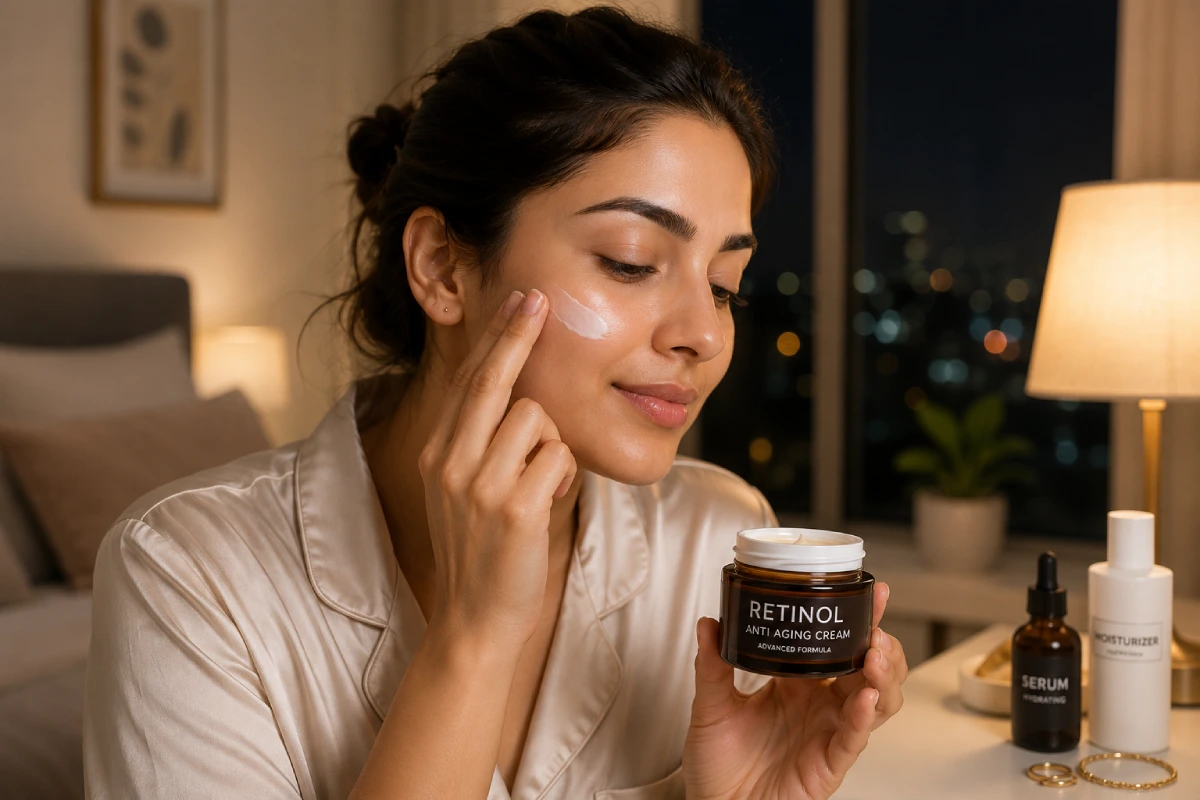
When fine lines, dullness or uneven texture starts to creep into your mirror time, the answer will be the same from every dermatologist and skin care junkie you ask: put yourself on retinol. A good retinol anti aging cream is one of the most heavily studied, dermatologist backed anti aging regimes but only if its used right. Here is what it actually does, how to do it properly and what sorts work for Indian skin.
The Definition of Retinol and How Does It Function?
The best known, and most properly used,is Retinol. It stimulates rapid cell turnover. Telling your skin to replace dull dead cells and grow new ones at a faster rate. Collagen production is also increased, Collagen is the protein which makes your skin firm and elastic and declines with age.
Used regularly, this combo blurs fine lines, helps improve skin texture, erodes dullness and can even aid with pigmentation and blockages in the skin. It won‘t work overnight though – you‘ll probably need to wait anything from 6-8 weeks to see any real change in your skin, and closer to 2 or 3 months before you see a difference in firmness and wrinkles.
Benefits of Retinol for Aging Skin
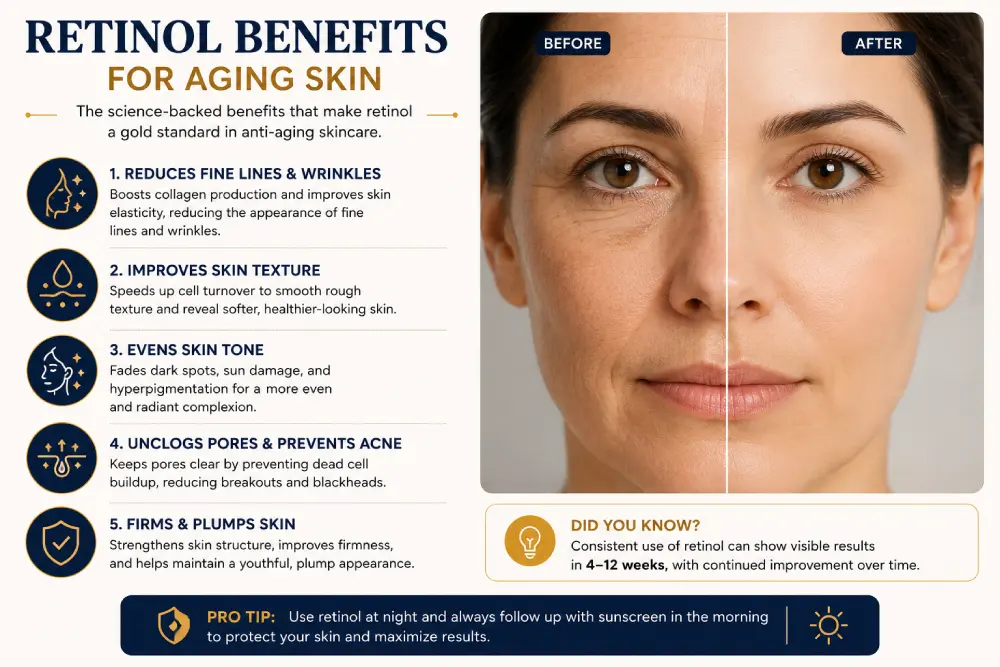
Retinol earns its “gold standard” reputation for good reason:
-
Reduces fine lines and wrinkles by slowing collagen breakdown and encouraging new collagen formation.
- Enhances skin texture removes dead surface cells more rapidly than skin would on its own.
- Fades dark spots and uneven tone, particularly Sun-related, a common problem in Indian climates.
-
Minimises the look of pores by keeping them clear of debris and oil buildup.
- Enhances radiance all over, leaving skin with a more uniformly radiant, smoother complexion.
In contrast to the trendy “quick fix” actives that come and go, retinol is backed by decades of clinical research, and the majority of dermatologists continue to endorse it for longterm anti-aging use.
How to Use Retinol Cream Safely
This is the mistake nearly everyone makes – either using t too much and wrecking their skin barrier, or second guessing themselves and giving up before the results show. Just do this:
- Start low and slow. For example– With BD, start low at 0.1–0.3%, using a simple application only 2-3 nights per week.
- On clean, dry skin, 20-30 min. after washing. Use to minimize irritation.
- Take a very small amount a little goes a long way. More product does not equal faster results, only more irritation.
- Always follow with a moisturiser to buffer the active and help your skin barrier.
- Never forget your sunscreen the next morning. Retinol makes your skin more sensitive to the sun, and going without SPF reverses the effects.
- Increase frequency gradually before you can go to nightly use which will be determined after your skin gets used to the gel, which typically takes 4 6 weeks.
Tip for combining: use vitamin C in the morning and retinol only at night using them together, rather than layering, will improve your results with less irritation.
Looking for expert-curated products including both natural and synthetic options at every budget? See our complete guide to the best anti aging cream in India for recommendations across all price points.
Common Retinol Side Effects
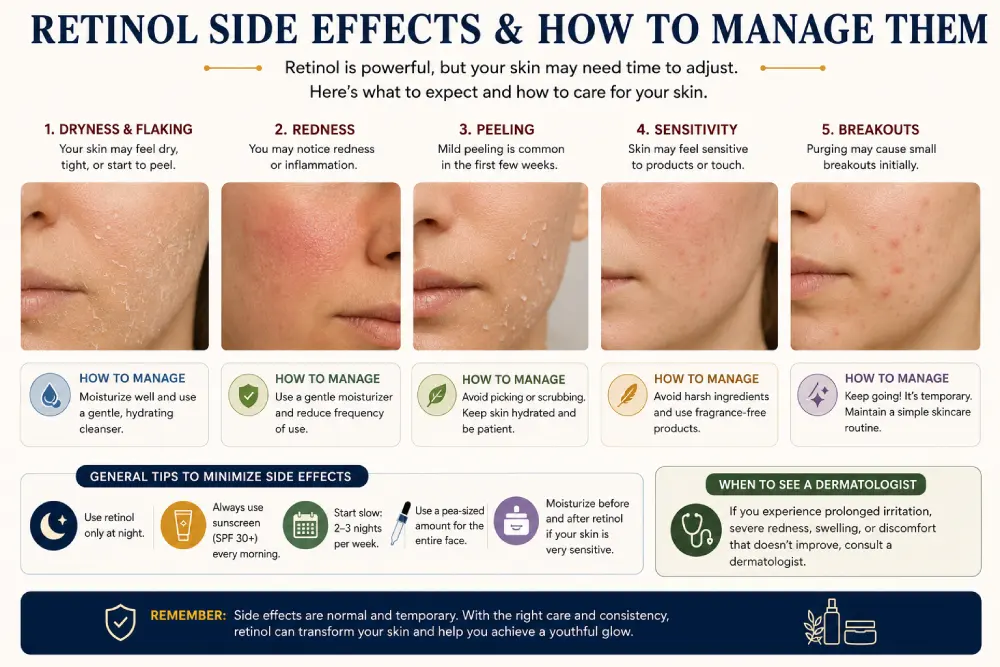
Mild side effects are common when you first start out, and do not mean that the product is wrong. For example:
- Mild dryness, flaking or peeling in the first 2–3 weeks
- Redness or a slight sting.
- Temporary breakouts, sometimes referred to as “retinol purging”, as cell turnover accelerates
- Increased sun sensitivity
Myth & Fact: Myth if you are purging, your skin is irritated. Fact mild purging during first weeks is normal as retinol does quicken your cell turn over and should clear up in 1 month. But if you experience intense burning, swelling or relentless break outs even after 6 weeks go see your dermatologist. Retinol is not recommenced if you are pregnant or breast feeding.
Best Retinol Anti Aging Creams to Consider
You don‘t need the most pricey one to get results you need one your skin can tolerate time after time. Some popular, well-reviewed Indian options are:
- Oxidised 0.3% Retinol – very effective, anti-ageing and SPF unique. Available in the UK as oxidised (prescription-only) or unoxidised. Gold standard retinoid if budget allows however both have the same effects. Good for the first time user.
- The Derma Co 0.3% Retinol – wallet friendly, active-led formula for fine lines and texture.
- Dot & Key Retinol + Ceramide Night Cream retinol with barrier-support ceramides that is far more gentle for sensitive skin.
- Deconstruct Retinol Night Cream and it‘s thin consistency makes it easily absorbed by the skin for those with sensitive skin or new users. Suitable for beginners.15
- Olay Retinol 24 mass-premium, product widely available for visibly fresh, smooth skin.
Regardless of which you opt for, always do a patch test first and lean towards formulas that incorporate calming elements such as niacinamide or ceramides if you have sensitive or dry skin – critical given India‘s humid, hot climate which can exacerbate irritation.
Final Thoughts
Anyone on the hunt for an effective retinol anti aging cream shouldn‘t be too concerned with maxing out the percentage on the bottle it‘s about consistency, time and saving your skin barrier all the way. Use a low percentage, moisturizer, don‘t forget the SPF and wait 6–8 weeks for them to do their thing. Used correctly, it‘s still one of the best products for visibly smoother, younger looking skin.
FAQs
Q1. When should I start applying retinol?
Most doctors advise beginning when you are 25–30 years old, when just subtle aging indicators, such as fine lines, show up.
Q2. How often can I use retinol?
Not straight away. Begin 2–3times per week and gradually increase to using it every night, only when your skin gets used to it.
Q3. Can I use retinol with sunscreen?
Yes. Retinol increases sun sensitivity, you must wear SPF daily if you are using it.
Q4. Which is superior to retinol cream or retinol serum?
Neither is universally “better” — creams tend to be more hydrating and beginner-friendly, while serums are more concentrated and better for experienced users.
Q5. Is retinol safe to use when pregnant?
No. Like most retinol-containing products, it is not advisable to use retinol during pregnancy or when breast feeding as there are other safe options. It is best to speak to your doctor.