Acne Causes and Treatment: A Clear, No-Nonsense Guide
Published: July 17, 2026 Last Updated: July 17, 2026 Looking for the acne cause and treatment of acne? If
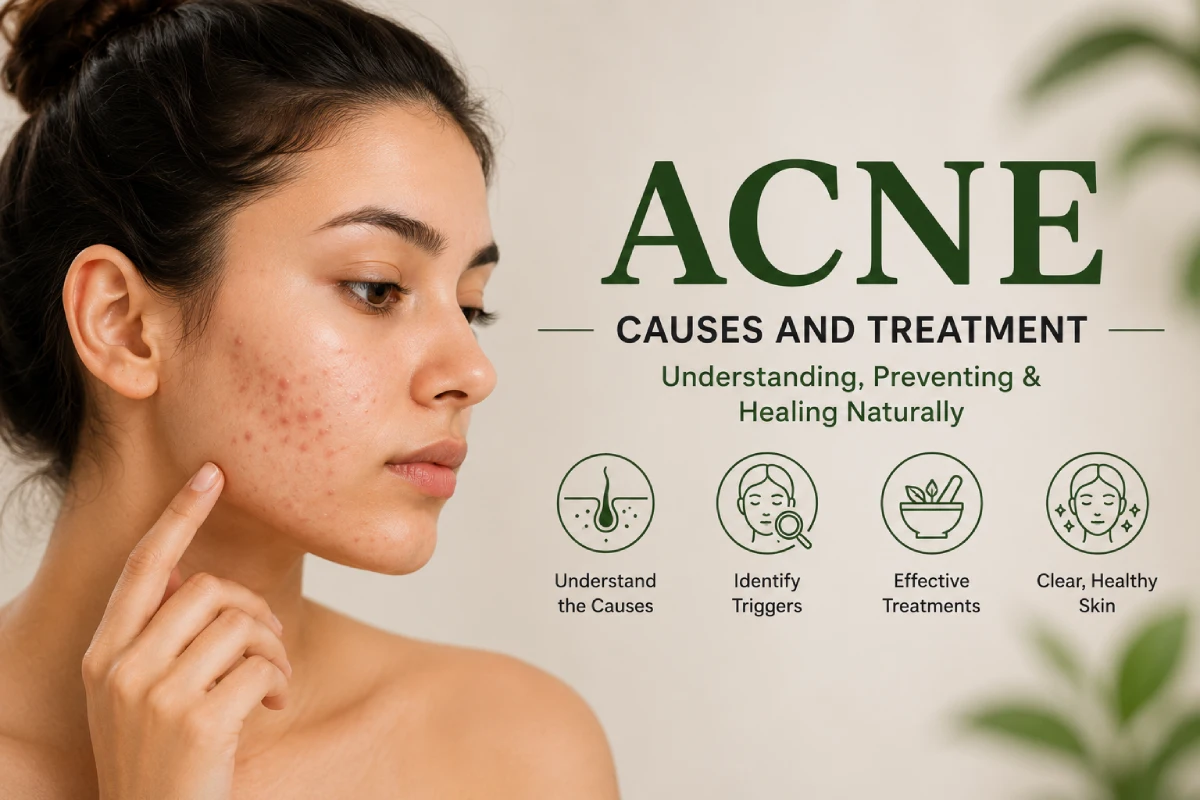
Looking for the acne cause and treatment of acne? If you‘ve looked before, and failed to find a cure, don‘t be surprised. Acne isn‘t just one disorder. It‘s a collection of linked conditions (clogged pores, overproduction of oil, bacteria, inflammation, and, usually, hormones) that affect each of us differently.
This guide explains what really causes acne, how to distinguish it from your other acne types and the treatments that really suit each individual cause – without a generic ‘wash your face and hope’ routine.
What Causes Acne
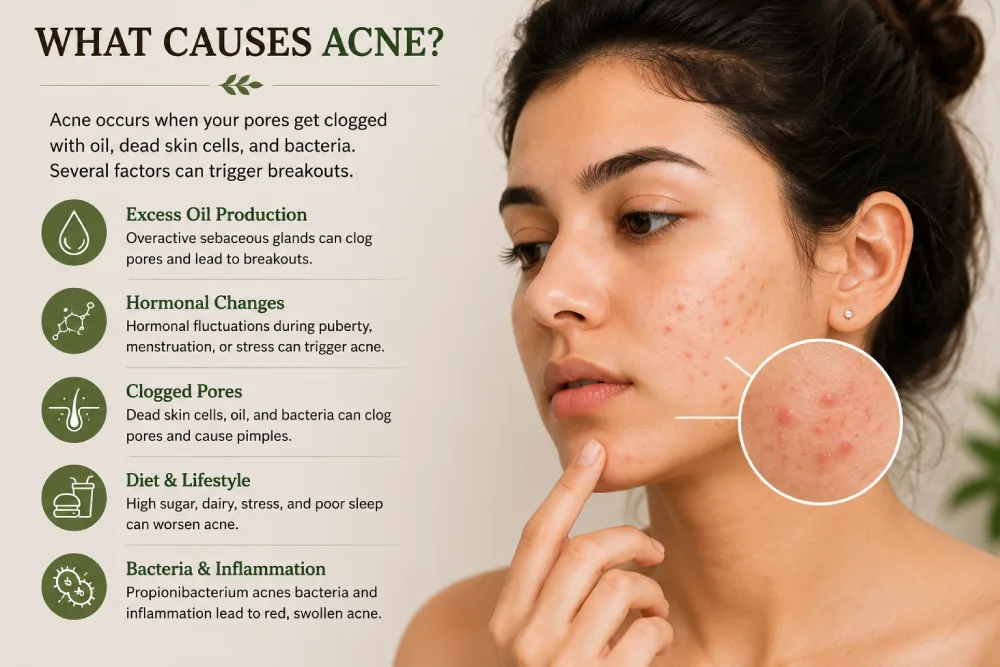
Acne occurs when the hair follicles become blocked by too much oil (sebum) and dead skin cells. The bacteria on the skin, notably Cutibacterium acnes (formally Propionibacterium acnes), will eat the trapped oil, causing inflammation which leads to a visible puss-filled ‘spot’.
Several factors make this cycle worse:
- Too much sebum production (via hormones, etc)
- Blocked pores caused by dead skin cells not shedding properly
- Bacterial overgrowth in blocked follicles
- About inflammation is what enables a breakout to stay small…
- Outside factors including humidity, perspiration, some cosmetic products and diets rich in high-glycemic index foods
Hormonal Acne Causes
Hormonal acne is caused by the excess of androgens hormones that trigger oil glands to increase sebum production that occurs in response to many factors. It usually appears along the jawline, chin and lower portion of the face and worsens according to a predictable hormonal cycle relating to menstrual cycle, pregnant state or PCOS.
This is different from surface breakouts; hormonal acne is less likely to be completely resolved by topical medications alone since the largest trigger is internal hormone changes, not surface bacteria. Therefore, topical management is frequently used alongside hormone regulators such as spironolactone and combined oral contraceptive pill.
Cystic Acne Treatment
Cystic acne is the most severe type of acne where the infection lies deep in the skin forming painful, pus- filled nodules. Without treatment this form of acne has a high potential for permanent scarring.
Since cystic acne penetrates below the level of the skin that topical treatments can‘t reach, OTC treatment of salicylic acid products is generally ineffective. Treatment directed by a dermatologist including oral antibiotics, corticosteroid injections for individual cysts, or isotretinoin may be necessary.
Best Over-the-Counter Acne Treatment
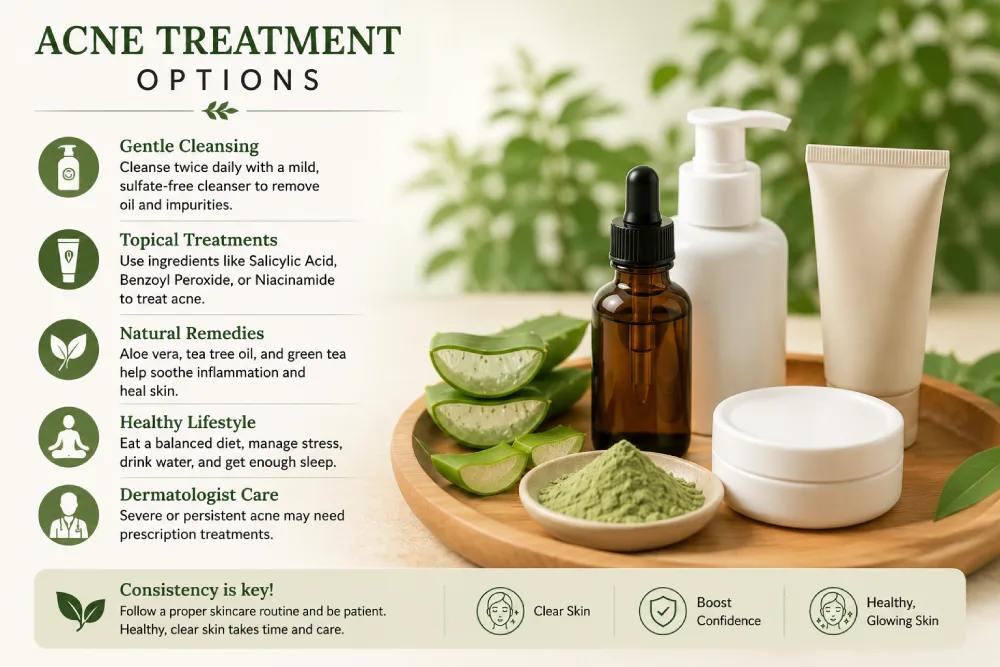
For mild to moderate acne, several OTC ingredients have solid track records:
- Salicylic acid (removes oil within pores perfect for blackheads and whiteheads)
- Benzoyl peroxide kills bacteria associated with acne and dries out surface blemishes to rid them of excess oils
- Niacinamide – soothes redness and aids the skin barrier if used with more powerful acts…
- Adapalene (0.1%)– an OTC retinoid, which unclogs pores and encourages regular skin cell growth.
Begin with a single active ingredient. Trying to mix several potent actives all at once is one of the leading reasons people stop OTC treatment irritation is confused with the fact that the product isn‘t working.
Adult Acne vs. Teenage Acne
Puberty causes increased production of male hormones (androgens) that increases the production of skin cells and encourages oil glands. This results in breakouts mainly on the forehead, nose and chin (the T-zone).Adult acne is more prevalent on the jawline and chin. This type is often linked to higher levels of androgen, stress or health problems such as polycystic ovarian syndrome.
This distinction is important for treatment. For many teenagers’ acne, once hormones settle down after puberty, it clears up with regular topical therapy, whereas for adult acne it usually requires an approach that tackles the hormonal trigger head-on.
Acne Scar Treatment Options
Scar treatment is a different stage which only makes sense once active breakouts are well-controlled. Typically used:
- Topical retinoids for mild postinflammatory marks
- To improve texture and pigmentation these chemist peels were used:
- Microneedling to induce collagen formation to treat textured scars
- Laser resurfacing for more mature, deeper scarring
The decision to begin scar therapy during the active phase of acne may aggravate this problem as the aggressive treatment may lead to a worsening of inflamed skin.
Common Mistakes in Acne Treatment
- Selecting an acne treatment by severity of acne from another person‘s skin rather than your own
- Over-exfoliating in the hope to “dry out” acne and the damage caused to the skin barrier by this along with the damage caused to the skin barrier from De-laine The damage caused to the skin barrier
- Stopping a new active after 1 week most treatments require 6–8 weeks to make a real difference
- It is controlled if scars are treated prior to active acne.
- Failure to consider diet and stress as sources of influence (particularly for hormonal acne)
FAQs
Q: How can you tell between hormonal and endocrine acne?
A: General pimples can be caused by everything from excess oiliness, to bacteria, pollution or ingrown hairs. Hormonal breakouts are characterized by cyclical eruptions at the lower face due to excess oil production caused by hormones called androgens.
Q: How do you treat cystic acne at home?
A: Mild cystic acne may clear with OTC treatments, but otherwise you‘ll need a dermatologists because of the depth of the cysts and high risk of scarring.
Q: Which OTC would be the best to start with?
A: Salicylic acid which is good if your skin is predominantly blackheads and oily. If redness and the presence of bacteria are causing your spots on the skin, then benzoyl peroxide is appropriate. Use one or the other but not at the same time.
Q: Do they treat adult acne differently than teenage acne?
A: Often. Adult acne, especially in women, frequently requires hormone directed therapy in conjunction with topicals, while teenage acne generally does well with the ongoing use of topical therapy.
Q: When is an ideal time to treat my scars?
A: WHEN you do not have any inflamed active breakouts, because the last thing you want to do is further irritate the skin with inflamed acne.