Anti-Aging Beauty and Wellness Secrets for Youthful Skin
Published: June 4, 2026 Last Updated: September 8, 2026 Here’s the thing – most individuals wonder on anti-aging beauty
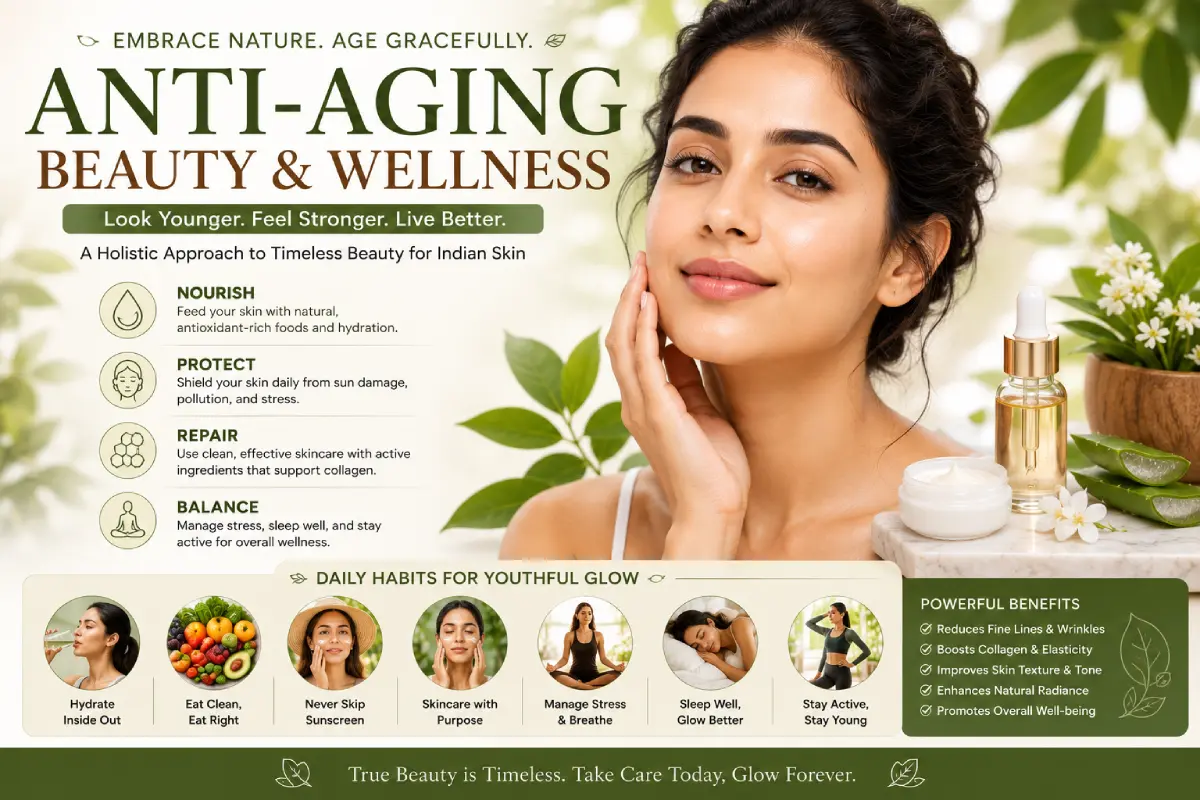
Here’s the thing – most individuals wonder on anti-aging beauty and wellness only once the first faint line begins to develop. But the thing is, the real trick is to begin sooner, be persistent and recognize that your skin is an indicator of what‘s happening inside your body – not just a chart of what you‘re slathering onto your face. Whether you‘re in your mid-20s and thinking ahead, or your 30s and 40s and actually starting to see the start, here are a few good practices to adopt for Indian skin.
It‘s not about expensive creams, or complicated routines. Its about consistently making the right decision on a daily basis.
Why Indian Skin Ages Differently and Why That Matters
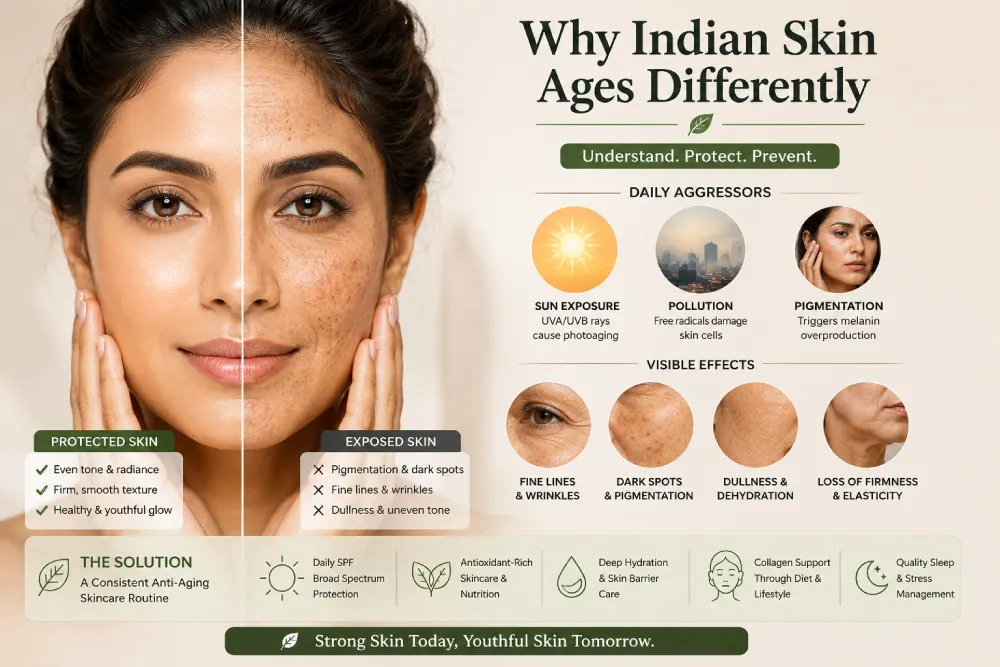
Indian skin is also more resistant to UV damage due to high melanin content but that doesn‘t mean it is resistant to aging. Indian skin is highly susceptible to hyper pigmentation, irregular skin tone and photo-aging due to constant exposure to the sun throughout the year.
Plus urban pollution, hard water, high stress living and diets rich in sugar and refined carbs, the aging of Indian skin appears very different: pigmented, dull, less firm skin sometimes as early as the late twenties!
The good news: this is mostly preventable with the proper anti-aging skin care and wellness practices.
Build an Anti-Aging Skincare Routine That Works
The majority of dermatologists will tell you that when it comes to a beginner‘s youthful skin regime, start in your 20s, for production of collagen begins to fall off the 25. You don‘t want a 10-step regime – you need the right four to five steps that you stick to.
Morning Routine
- Mildly exfoliates: removes any excess makes up and dirt built up overnight. Gentle cleanser: makes skin feel smooth, not tight or dry; removes overnight build up without stripping skins’ oil
- Vitamin C serum: the best for brightening, stimulating collagen and safeguarding against free radical damage from pollution
- Daily light hydration: oily type moisturizer–since it contains hyaluronic acid, it will help keep the skin moisturized, supple and plump.
- Mineral SPF 50+: a must UV rays are the number one culprit of early skin aging for Indian skin.
Evening Routine
- Double cleanse: Clears away sunscreen, environmental pollution and oil as it penetrates deep into the dermis.
- Retinol/retinoid (2–3 nights a week): clinically proven to decrease fine lines and wrinkles, fade dark spots and accelerate cell turnover. Use every third night at first and begin with a modest strength (0.025%–0.05%)
- Rich moisturizer / facial oil rosehip oil, squalene or shea based creams that will allow for cellular regeneration while you sleep
New products should be given a minimum of six to eight weeks before you can evaluate the outcome. The only secrets you can have in skin care are consistency.
And for a detailed list of which natural ingredients are most effective for each stage, we recommend that you read our natural skin care routine guide, for healthy and clear skin; it has it all from cleansers to SPF protection for Indian skin.
Collagen-Boosting Foods You Probably Already Have at Home
No supplement can replace how good food is for your skin. As explained by Harvard T.H. Chan School of Public Health, collagen restoration needs specific amino acids (glycine, proline, hydroxyproline), vitamin C, zinc and copper all of which are derived from food.
The great news? Several of the most effective collagen-building foods are already a part of Indian cuisine.
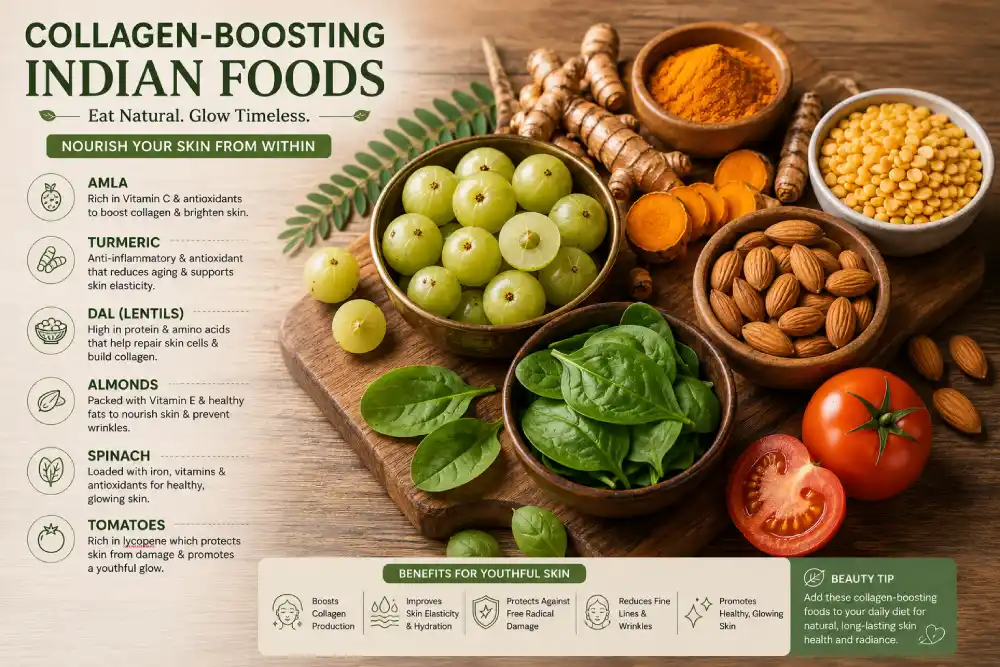
Top Indian Collagen-Boosting Foods
- Amla (Indian Gooseberry): highest natural source of vitamin C (more than orange). It is the vitamin C which is mentioned among the factors necessary for collagen synthesis. Consume daily in the form of amla juice or raw.
- Dal and legumes: contain many of the amino acids your body needs to produce collagen. Moong dal, chana and rajma are all great in your daily diet.
- Turmeric; is part of the anti-inflammatory spice that contains a potent antioxidant, curcumin which protects already present collagen from being broken down. Use in cooking and add black pepper to enhance absorption.
- Nuts and seeds – almonds, chia, flaxseeds they contain omega-3 fatty acids and vit E, both of which are important to keeping our skin elastic and healthy on the barrier level.
- Vegetables: green leafy – spinach, methi, palak: source of collagen forming nutrients like antioxidant, vitamin A and zinc.
- Tomatoes and capsicums: loaded with lycopene and vitamin C- both of which are well documented against U.V damage to collagen
What to Reduce:
- Sugar and maida: Glucose induced glycation, an aging process by which excess sugar causes damage to collagen fibres that, in turn, hastens wrinkling
- Refined and fried foods: promote inflammation that accelerates collagen degradation.
- Too much alcohol: causes dry skin, collagen breakdown & a dulled appearance.
The Harvard T.H. Chan School of Public Health‘s collagen nutrition research is one of the most trusted, conclusive sources of peer-reviewed proof on the essential way diet alters collagen production and skin aging.
Wrinkle Prevention Tips That Go Beyond Skincare
Preventing Wrinkles isn‘t just about what you put on your skin. It‘s about the habits that cause the most tell tale aging damage and they probably have nothing to do with your skincare cabinet.
Sleep
Your body produces collagen while you are in deep sleep. Long term sleep deprivation leads to increased amounts of cortisol which is destroying collagen. You should strive for seven to nine hours of high quality sleep a night which is one of the most effective yet ignored anti-aging habits you can do.
Stress Management
Elevated cortisol from ongoing stress breaks down collagen, inflames and causes your skin‘s repair cycle to go off course. Simple activities such as yoga, meditation and even a brief 20-minute walk have measurable impacts on your cortisol and hence your skin.
Hydration
Dehydrated skin looks dull, tired and aged. Consumption of 8-10 glasses of water per day keeps the skin cells well hydrated by keeping them plump, maintains the integrity of collagen and helps in improving the elasticity. For additional minerals add sabja (basil seeds) or cucumber.
Sun Protection Every Single Day
UV rays cause as much as 80% of all visible ageing of the face. With the intensity of UV in India remaining high throughout the year, SPF 50 + daily wear (even indoors by the windows) is not a matter of choice…it is simply the best investment in wrinkle prevention you will ever make.
Consistent movement and fitness and beauty wellness habits play a major role in maintaining youthful skin and long-term health.
Myth vs Fact: What People Get Wrong About Anti-Aging
Myth: Anti aging skin care is just for women in their 40s & 50s.
Fact: Collagen production begins to decrease at 25. Prevention is always easier than repair. If you start a simple SPF + vitamin C regime in your mid 20s, you‘ll see the benefits when you‘re in your 40s.
Myth: Costly creams are more effective.
Fact: The high efficacy ingredients retinol, vitamin C, niacinamide, SPF are served to us at consumer affordable prices. Use of inexpensive reliable products beats haphazard luxury products..
Myth: Natural Indian tan doesn‘t need sunscreen.
Fact: More melanin does shield the skin from sunburn, however it does not provide protection from deep-penetrating UV-A rays which bleach collagen and cause pigmentation. A daily SPF 50+ is a must for all Indian skin types.
Myth: Collagen creams increase your skin‘s collagen.
Fact: Collagen molecules so big that they can‘t get through the skin of creams. It is vitamin C, retinol and collagen-friendly nutrition that stimulate the collagen production-not topical collagen.
Ayurvedic and Indian Wellness Secrets for Healthy Aging
India boasts a 5,000 year heritage of herbal healing solutions that scientific research is increasingly confirming. They‘re not just folklore–they‘re functional.
- Abhyanga (self-massage using warmed oil): increases capillary flow, promotes lymphatic drainage, and preserves skin flexibility. Sesame or coconut oil may be used for Indian skin.
- Turmeric milk (Haldi doodh): Anti-inflammatory when ingested, heals from within, decreases oxidative stress gradually.
- Aloe vera gel: the gel that is used straight out of the leaf has been a moisturizing and anti-inflammatory staple long before it was trendy, and is free (if you grow your own).
- Chyawanprash: an antioxidant-rich Ayurvedic product with amla and herbal antioxidants. Taken every day- a teaspoon helps support immune function and keep skin healthy from within.
Looking for trusted product recommendations that blend Ayurvedic wisdom with modern formulations? Browse our expert-curated anti-aging beauty and wellness products — selected specifically for Indian skin needs.
Conclusion
The anti-aging beauty and wellness in India involves forming a series of tiny, persistent practices that, over time, add up. Everyday SPF, a skin-care regimen that includes vitamin C and retinol, collagen-enhancing nutrients available in the kitchen you already own, proper sleep and stress reduction…these aren‘t hard or costly. Just persistent.
Your skin reflects your lifestyle. The sooner you look after it, the longer your youthful story can continue. Invest in protection first, then nourishment and the proper products and your skin will thank you with years of youthful resilience.