How to Style Casual Dresses for Women: Outfit Ideas
Published: September 26, 2026 Last Updated: September 26, 2026 A casual dress for women works for almost any relaxed
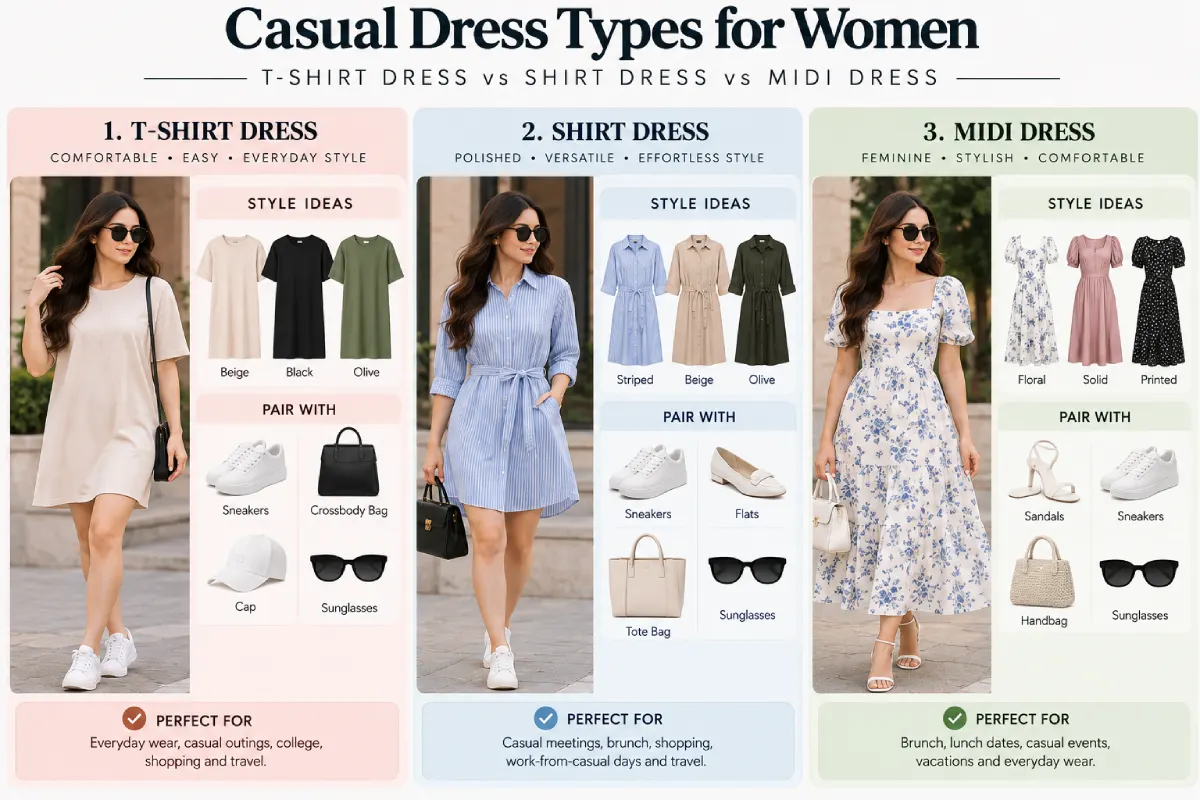
A casual dress for women works for almost any relaxed occasion once you match the dress type to the day, choose the right footwear, and add one simple layer. T-shirt dresses, shirt dresses and midi dresses each have a slightly different casual formula — but the same core idea applies to all three: trainers, flats or sandals do most of the “casual” work, and one jacket or cardigan adjusts the outfit for weather or errands versus lunch versus travel. This guide breaks down each dress type and shows how to adapt one dress across a full day without changing the whole outfit.
A casual women‘s dress should arguably be the easiest thing in the world to wear in any woman‘s wardrobe – but as it tends to lean a little too much on the dressy side anyway (especially when you consider the shoes, accessories and blazers that often accompany it) it can be hard to know where to start. Here‘s how to nail the entire get-up from the choose of dress to the shoes to the how much you pile on top.
Choose a Casual Dress for Your Day and Comfort
It‘s also useful to be realistic about the needs of the day before the styling begins. A casual dress for errands must be comfortable and adaptable between getting in and out of the car several times. A casual dress for a long lunch must be appealing in the sitting position for a sustained period and comfortable. A casual dress for travel must be withstand hours of sitting in an airplane and the temperature variations that come with time spent in air conditioning and outdoors in the heat.
This is relevant because “casual” is not one range of dressing it is a range of dressing. The fabric of the dress, and the shape it is cut in, will want to correlate with where on this range your day is. Stretcosmetic jersey and cotton/polyester mix dresses (“t-shirt” dresses, most shift dresses) are at the most relaxed end. Structured cotton or linen-blend shirt dresses sit slightly higher, since the collar and button placket read a bit more “dressed.” Flowy midi dresses in soft fabrics sit in between, depending on the print and fit.
Style T-Shirt, Shirt and Midi Dresses
These three dress types cover most of what shows up in a casual wardrobe, and each has a slightly different formula for staying casual rather than drifting dressier.
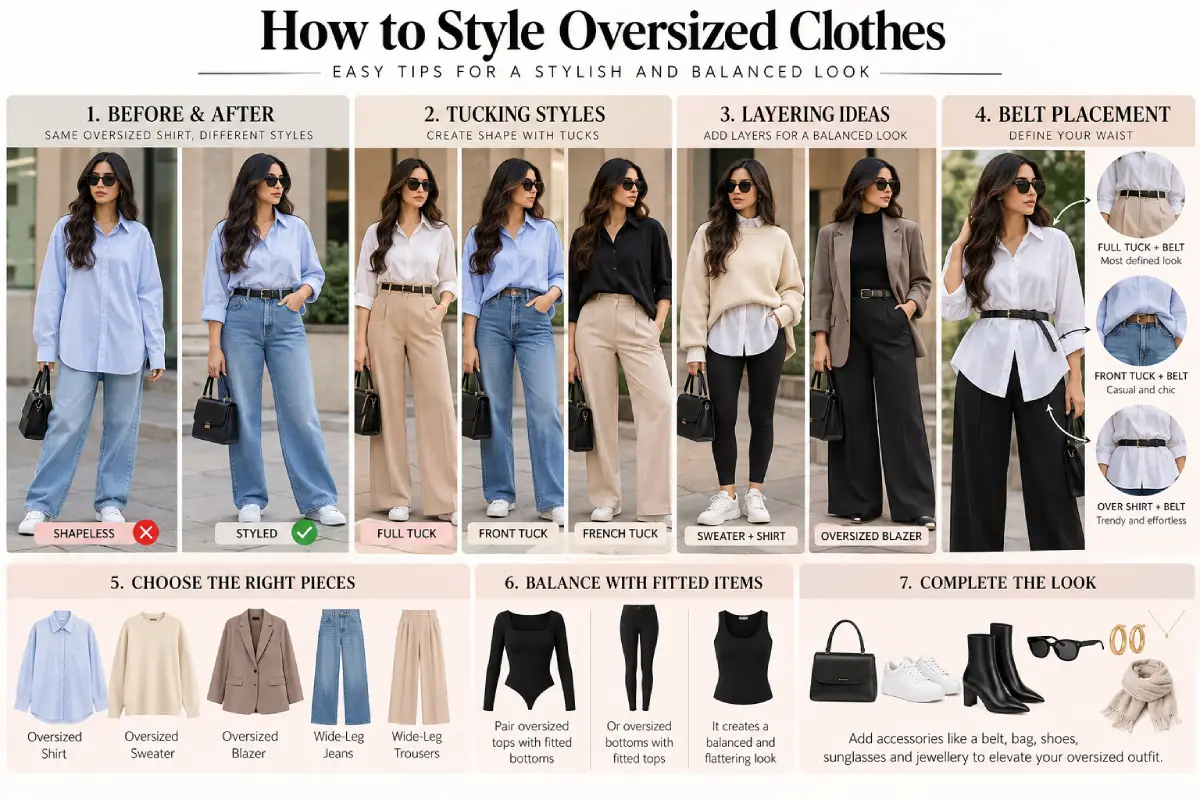
T-shirt dresses are the easiest starting point because the fabric itself is already casual. The main styling decision is proportion: worn alone, an oversized t-shirt dress can look shapeless, so a thin belt at the natural waist, or simply tucking the front slightly, adds shape without adding effort. Leggings underneath work for cooler weather or a more covered-up look; bare legs with sneakers work for warmer days.
Shirt dresses need slightly more deliberate down-styling, because the collar, buttons and often the belt loops signal “smart” by default. Rolling the sleeves to the elbow, leaving the top button or two undone, and swapping structured heels for something soft immediately shifts the read. Minimalist sandals are a particularly good match here: (cite index=”30-1″>pairing a structured shirt dress with minimalist sandals softens its more formal shirt-dress silhouette into something breezy and relaxed</cite>, which is a more effective casual signal than changing the dress itself.
Midi dresses vary the most by fabric. A soft jersey or cotton midi dress in a simple print reads casual immediately; a satin or more structured midi dress needs help getting there, usually through footwear (see next section) rather than trying to change the fabric’s inherent formality.
Pair Casual Dresses with Trainers, Flats and Sandals
Footwear does more work than almost any other styling choice when it comes to reading a dress as casual. The same dress in heels versus trainers can look like two entirely different outfits.
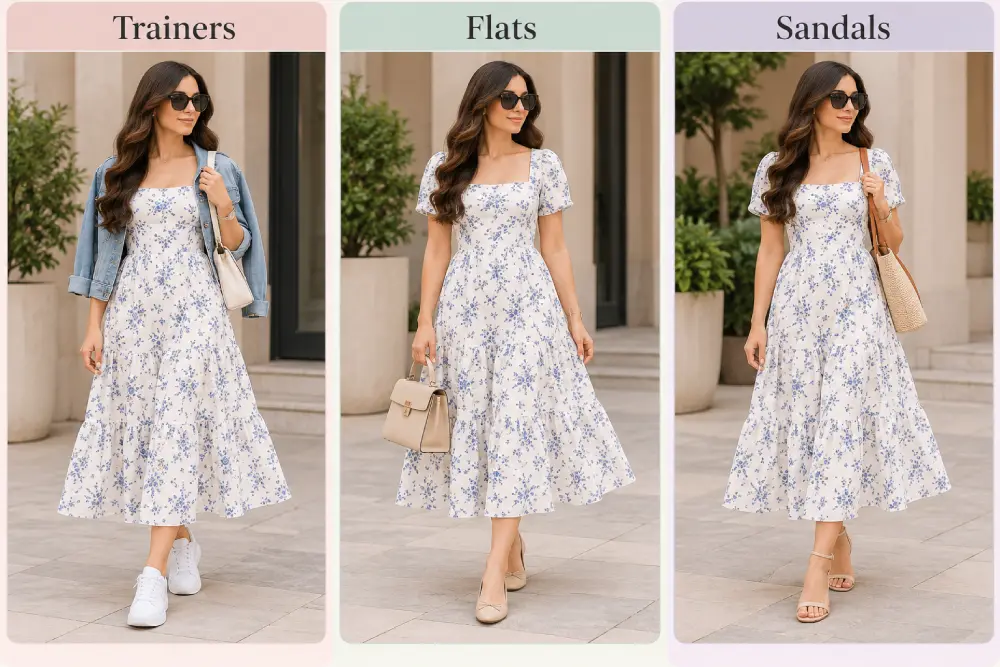
- Trainers (sneakers) are the strongest “casual” signal available and work with all three dress types above, especially t-shirt and looser midi dresses. White or neutral-coloured trainers are the most versatile, since they don’t compete with the dress’s colour or print.
- Flats (ballet flats, loafers, slides) sit between trainers and sandals in formality — a good choice when you want casual but slightly more polished, such as a lunch that starts casual and might extend into an afternoon meeting.
- Sandals work particularly well with shirt dresses and warm-weather midi dresses, and are the better choice over trainers when the dress has a slightly dressier fabric that trainers would clash with stylistically.
A simple rule that holds across all three dress types: the more structured or dressy the dress fabric, the softer and simpler the footwear should be, to avoid two competing “formal” signals at once.
Add Jackets, Knitwear and Simple Accessories
A single layering piece is usually enough to adjust a casual dress for weather or for a slightly different setting, without needing a full outfit change.
- Denim jacket — the most versatile casual layer, works with all three dress types and doesn’t compete with prints or colours.
- Lightweight cardigan — softer than a jacket, better suited to office-adjacent casual settings or cooler indoor spaces.
- Cropped or lightweight blazer — pushes a casual dress slightly more polished without making it formal, useful for the “lunch that might turn into a meeting” scenario.
For accessories, the casual-dress rule is restraint rather than addition: one crossbody bag and one pair of simple earrings is usually enough. A single scarf can add colour or texture (tied at the neck or worn as a headband) without adding visible “effort,” which is the detail that keeps an outfit reading as casual rather than styled.
Adapt One Dress for Errands, Lunch and Travel
One of the most practical things you can do with a casual dress is treat it as a base you adjust throughout the day, rather than choosing a completely different outfit for each activity.
| Activity | Footwear | Layer | Accessory adjustment |
|---|---|---|---|
| Errands | Trainers | Denim jacket (optional) | Crossbody bag, no jewellery needed |
| Lunch | Flats or sandals | Lightweight cardigan or cropped blazer | Add earrings, swap to a small shoulder bag |
| Travel | Trainers or comfortable flats | Layer you can remove (cardigan or light jacket) | Crossbody bag for hands-free movement, minimal jewellery |
The same dress works across all three because the changes are additive, not a full outfit swap — swap the shoes, add or remove one layer, and adjust the bag. This is the most time-efficient way to get more use out of one casual dress rather than treating every activity as a separate styling decision.
FAQs
What shoes go best with a casual dress?
The trainers are the most reliably informal and will work with nearly any type of outfit. Flats are a little smarter, more sophisticated informal style, and the open-toed sandals are perfect for shirt dresses and summer midi length dresses. A rule of thumb is that footwear that is softer and not as complicated balances out more formal fabrics.
How do I make a shirt dress look casual instead of office-appropriate?
Undo the sleeves, unbutton a couple of the top ones, and replace the stiff heels with flats or simple slides. These subtle variations soften the inherent gameness of a shirt dress without modifying the dress.
Can I wear a t-shirt dress with sneakers?
Indeed this is one of the most dependable casual dressing combination. A t-shirt dress with comfortable sneakers is good for shopping, outings on weekends and even for travel, and a narrow waist belt prevents the shape from appearing baggy if the dress is too loose.
What’s the easiest way to layer a casual dress for cooler weather?
Wear with a denim jacket or a light cardigan, which usually is all you need. It keeps your look warm without affecting the casual aspect of the dress and topcoats or blazer would elevate the overall look to smart-casual or formal. on the rest of the look.
How do I dress up a casual dress slightly without making it too formal?
Swap trainers for flats or sandals, add one accessory (earrings or a slightly more structured bag), and consider a cropped blazer instead of a denim jacket. This moves the outfit toward smart-casual without crossing fully into formal territory.
FINAL CONCLUSION
Getting a casual dress for women to actually read as casual is less about finding the “right” dress and more about three repeatable choices: matching the dress type’s natural formality to the day, letting footwear carry most of the casual signal, and using one flexible layer to adjust for weather or setting. Once that formula clicks for a t-shirt dress, a shirt dress or a midi dress, the same one dress can move from errands to lunch to travel with small swaps instead of a full outfit change. For the broader method behind building any outfit — not just casual dresses — the Outfit Styling Guide is the hub this guide supports.