Heat Rash Treatment: How to Relieve Prickly Heat Quickly
Published: July 1, 2026 Last Updated: July 2, 2026 If you wake up and your whole face, neck, and
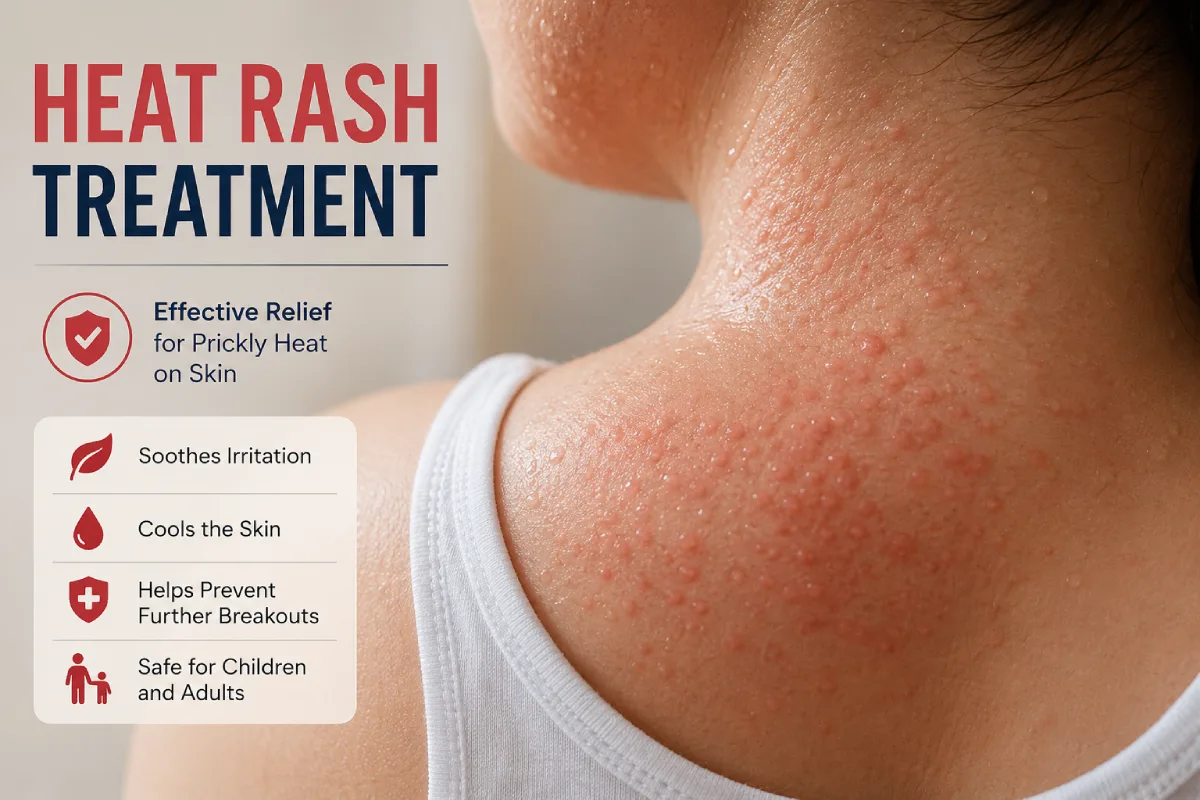
If you wake up and your whole face, neck, and body are pockmarked with countless tiny, painfully stinging bumps whenever you sweat than you most likely have heat rash and want relief now, not a lecture. The good news: most of the time heat rash treatment is pretty straightforward, quick, and over the counter. Here is what works, why it works, and when you need a dermatologist.
What is heat rash, and why does it happen?
Heat rash is the term also used called prickly heat or miliaria. This occurs when the sweat ducts become blocked and the sweat leaks out into the skin around and becomes trapped rather than evaporating. The effect is irritation and pricky, stinging bumps.
In India such troubles are no longer rare occurrences, but something that only happens according to myth to you in the summer months. Steaming heat, steamy humidity, tight synthetics, long hours stuck in traffic or with weak air-circulation from overhead fans what else but clogged pores? Or, Babies suffer because of immaturity; or grown-ups, from the twin perils of sweat-slick and thick cream, or being in wet clothes for too long.
Common Symptoms of Heat Rash
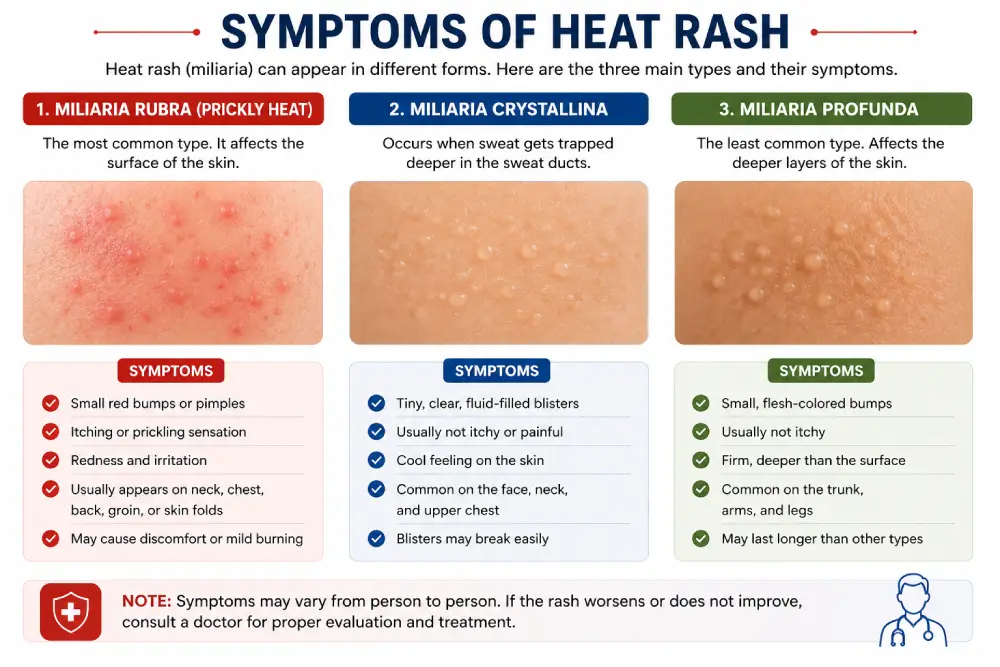
Not every heat rash looks the same knowing which type you have helps you treat it correctly:
- Miliaria crystallina – small, transparent, fluid-filled elevations, painless most of the time. The mildest kind.
- Miliaria rubra this is the traditional ‘prickly heat’. Tiny, red, itchy bumps with a prickling or burning sensation. Usually found on the neck, chest, back or in skin folds.
- Miliaria pustulosa – rounded, reddish papules filled with pus, may be premonitory sign of more serious irritation or of an early infection.
Common trigger points: back of neck, armpits, chest, back, bit of low back/hip area, groin area, underneath the breasts (anywhere that tends to trap moisture and don‘t get much air)
Effective Treatments for Heat Rash
When heat rash arrives on the scene, all you want to do is cool your skin down, unclog the ducts and stop yourself from sweating any more. What actually works is:
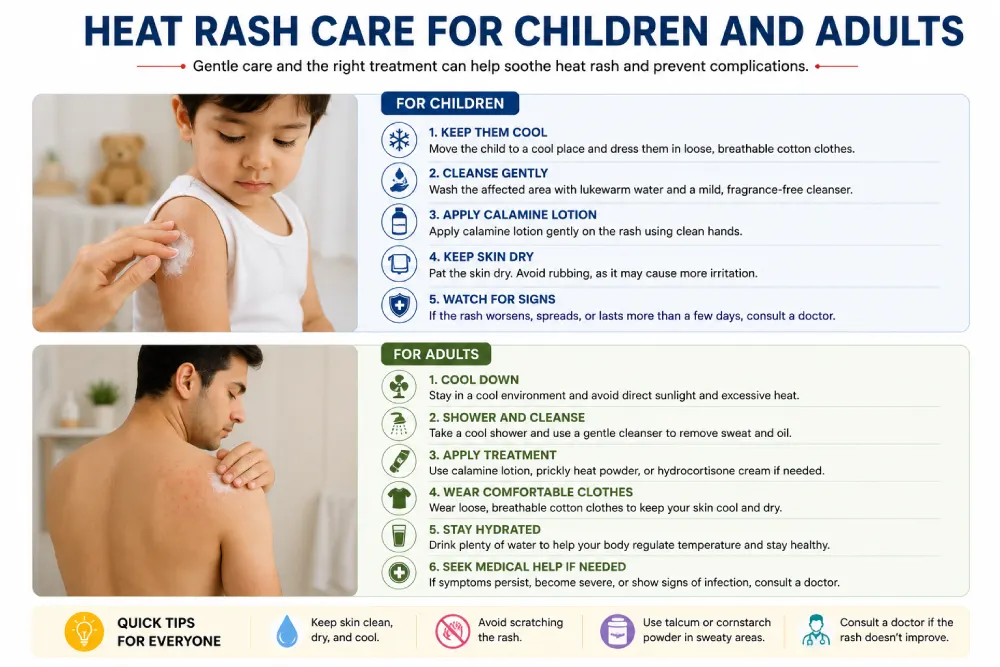
- A quick way to sooth a hot skin is to cool it quickly. Apply a damp cloth to the infected area or take a quick cool shower for immediate appeasement to the inflamed ducts.
- Uses calamine lotion. One thin layer is wonderful for settling itchy skin and drying up angry little pimples; it has been a standby since 1885 and is cheap and safe for children.
- Apply a powder; where possible use a powder containing zinc oxide as it absorbs excess moisture and helps reduce chafing. However, avoid using fragranced talcum powder on sensitive skin. Talcum powders contain talc and finely ground fragrances which can irritate sensitive skin. If you have sensitive skin, choose a talcum powder that contains corn starch.
- Choose loose, open-weave breathable cotton. Stiff, synthetic fabrics hold in heat and make blockage worse.
- Avoid heavy creams. Jellies, Vaseline, or thick ointments merely clog deeper into the sweat ducts. This is what you do not want.
- Use aloe vera gel. The fresh gel straight from the leaf has anti-inflammatory effects that help to settle redness, without contributing any oiliness to the skin.
Most mild heat rashes will resolve within 2-5 days if skin is kept cool and dry. If pustules fill with pus, rapidly involve large areas, or are accompanied by a fever, consult a doctor, as it may be a deeper bacterial infection rather than ‘prickly heat’.
For a complete overview of rash types, causes, and which treatment tier to start with, read our main guide on skin rash treatments.
Preventing Heat Rash in Hot Weather
Prevention beats cure every single time with this condition:
- Wear looser fitted clothes that are made of 100% cotton and not Synthetic in order to benefit from a more comfortable feel during higher temperature periods.
- Remain in shaded or air-conditioned places during the hottest hours of the day (from noon to 4 pm).
- You should change out of your sweaty clothes as soon as possible.
- Dried on skin folds well after bathing or on sweating.
- If you have dry skin, opt for a light, non-greasy moisturiser avoid oil-based formulas during the warmer months.
- Stay fans/ coolers /ventilators enabled even in bedrooms in the hottest part of the day. Children and old living members benefit the most.
Heat Rash in Children and Adults
Baby and toddler heat rash is particularly common as their sweat glands are still immature. For babies, use as few clothes as possible (fans, as opposed to AC blower), and avoid using thick baby creams on any areas that are prone to heat rash. Baby heat rash rarely causes any problems, but can be a sign that the child is getting too hot when baby is distressed and abnormally warm.
Adults With adults, prickly heat occurs on the back, chest and in the axilla and is often due to tight workwear, gym sweat or long journeys. Adults can use calamine, antihistamine tablets for itching and light layers of cotton with no precautions.
Myth vs. Fact: Myth talcum powder cures heat rashes. Fact powder takes care of the moisture, but doesn‘t un-block the ducts, so more cooling and loose clothes.
Final Thoughts
The remedy for quick heat rash really involves three things: cool the skin, dry the skin, and allow air to reach the skin. Once you spot the rash, most of them will clear after a few days with calamine lotion, loose cotton clothing, and being patient. If your heat rash doesn‘t settle after a week, or you get a spreading, infected type, go see your dermatologist and stop doing home remedies.
FAQs
Q1. How long does heat rash take to settle?
Mild heat rashes is settled in 2 – 5 days with cooling in dry skin care.
Q2. Is heat rash contagious?
No. Doesn‘t spread from person to person because its simply clogged sweat ducts and isn‘t due to infection.
Q3. Is it only babies that can get heat rash?
Adults can get it as well, when the weather is very humid, in tight clothing, or if they have been sweating heavily.
Q4. Would I be better off applying Vaseline to the heat rash?
No thick, oil-based products block sweat ducts even more so and may make the heat rash more severe.
Q5. When should I go to the doctors?
If your spots fill with pus, you‘ve got a widespread rash, or other symptoms last for longer than a week, see your doctor.