30 Eco-Friendly Home Products Worth Buying in 2026
Published: August 7, 2026 Last Updated: August 7, 2026 Transitioning to sustainable home products can be a lengthy process,
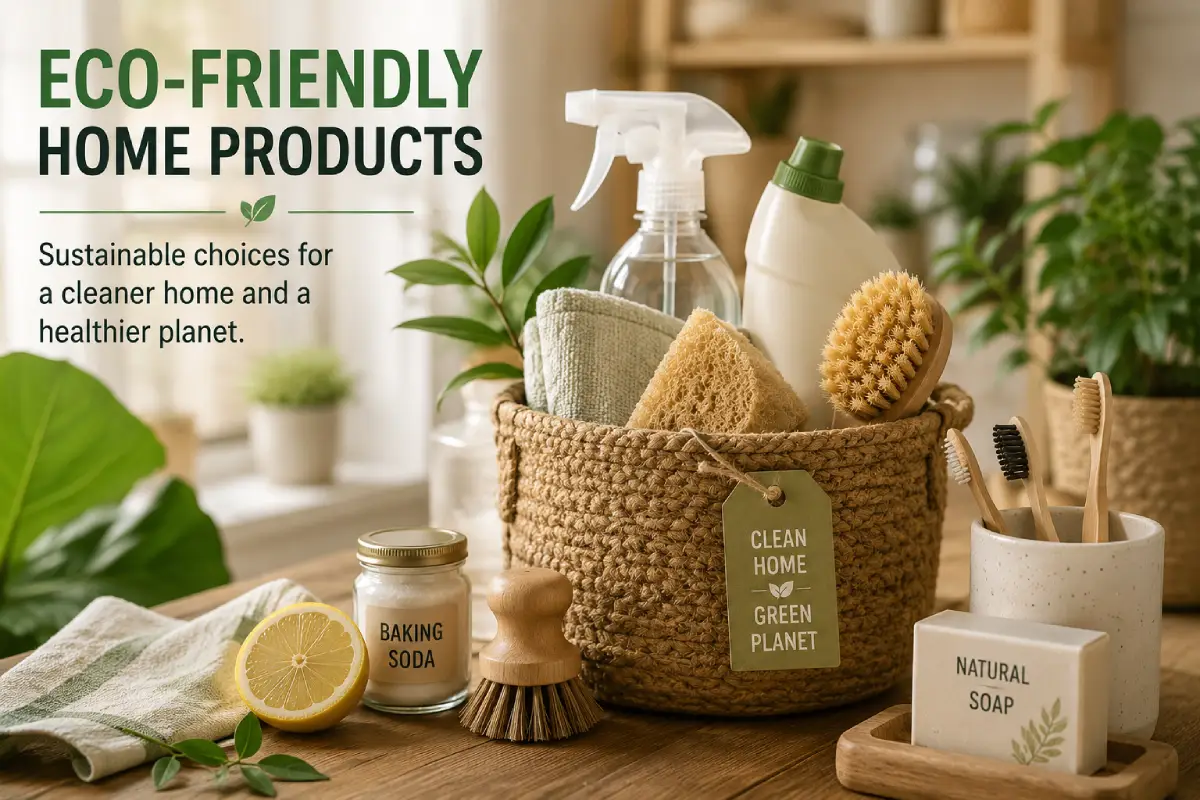
Transitioning to sustainable home products can be a lengthy process, breaking into individual rooms until every product has been replaced. In this article, I highlight the cornerstones of what makes a product eco-conscious, the three easiest green categories in which to begin (cleaning products, kitchen essentials, and household items), immediate greenwashing pitfalls, and specific sustainable product recommendations to shop for in 2026 within the United States and India.
Switching to eco-friendly home products doesn’t mean overhauling your entire house overnight. It means making a few smart swaps—starting with the products you use most—and building from there.
No matter if you‘re in US or India, 2026 offers the greatest array of truly sustainable energy solutions to date. The challenge is to discern which are worth the investment.
What Makes a Product Actually Eco-Friendly?
The problem with every product that has a label of “green” or “natural” is that not all is sustainable. A sustainable and green product can at least fulfill the following requirements: biodegradable or recyclable resources, low volume of packaging, non-toxic constituents, and honesty about their supply chain.
Ignore the marketing language and actually read for certifications and ingredients.
Why Switching Matters (Beyond the Planet)
Green choices can also be good for you less-toxic cleaning supplies mean less chemicals off-gassing in your house, non-packaged items mean less clutter, and many environmentally friendly materials are in the long run stronger.
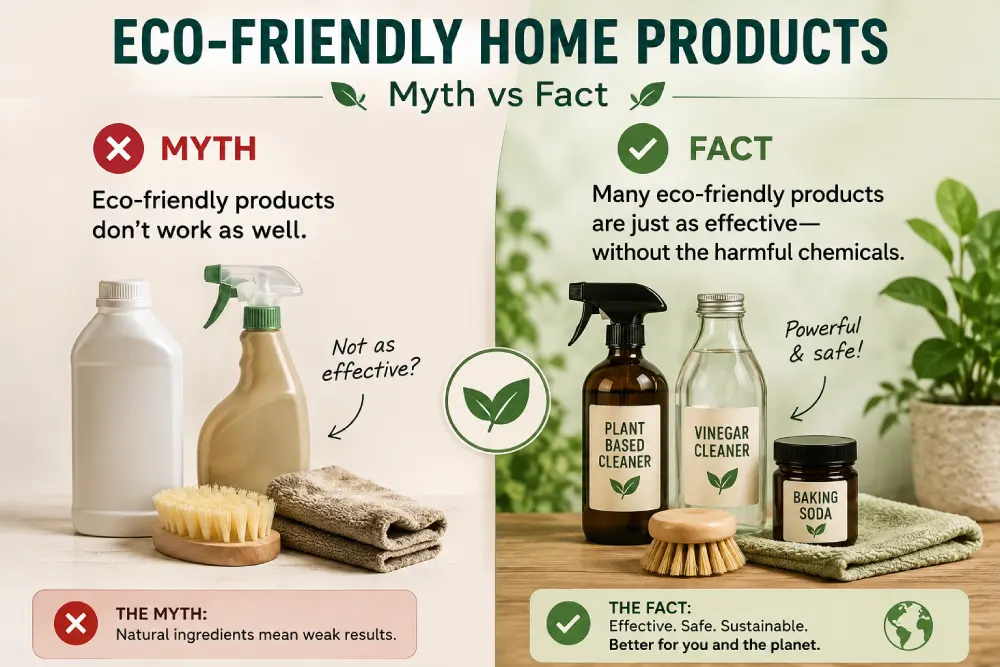
Myth vs. Fact: Eco-Friendly Products
Myth: These “green” products are more expensive. Fact: How about reusable wipes, concentrated cleaning agents? “Eco-trades” like these are cheaper in the long run.
Myth: ‘Natural’ and ‘eco-friendly’ are one and the same. Fact: Something that is advertised as natural may have environmentally destructive packaging and harvesting methods; always read the small print.
Myth: To truly make a difference, you must replace it all in one fell swoop. Fact: Room-by-room replacement is more sustainable and more economical than the big bang.
Green Cleaning Products Worth Buying
- Plant based multi surface cleaners(78), refill or concentrate.
- Biodegradable dish soap with very little packaging
- Switching to a cleaning cloth made from either bamboo or microfiber for cleaning instead of the use of disposable wipes.
- Detergent Coats or pods of laundry in biodegradable wrapping
These swap transactions are probably the simplest to begin with as they are in use all the time, and are replaced quite frequently.
Biodegradable Products for Everyday Use
- Compostable refuse bags for kitchen scraps
- Bamboo toothbrushes and biodegradable dental floss
- Plant-fiber sponges versus synthetic sponges
- Plastic wrap alternative: compostable food storage wraps
Non-Toxic Home Goods to Prioritize
- Soy or beeswax candles instead of paraffin.
- We offer low-VOC paints for all your home touch up needs.
- Natural fiber bedding (organic cotton, linen) over synthetic blends
- Eco-friendly air purifiers free of added chemicals to control fragrance
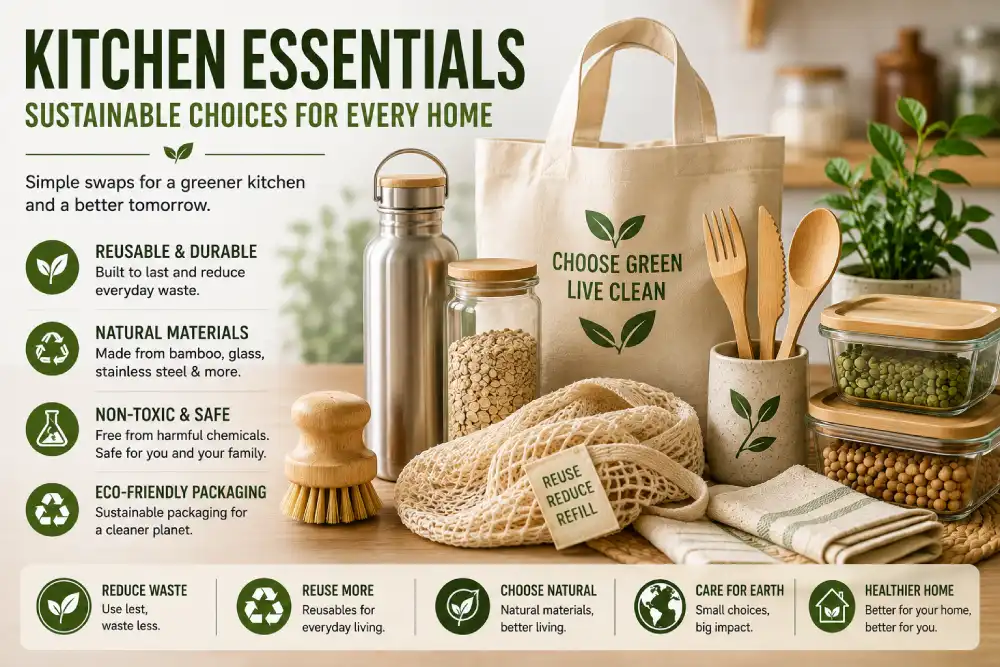
Eco Kitchen Essentials
- Reusable beeswax wraps (rather than disposable cling film)
- Food storage either over plastic containers using stainless steel or glass
- Comost bins that could be accommodated in small kitchens or apartments;
- Disposable10 and multiplicity of several shopping can be made with a grocery bag, similar shopping can be made reusable produce bags.
Sustainable Household Items Beyond the Kitchen
- Appeal points: Commitment to sustainability (promotes reusability and prevents unnecessary waste generation).2 Reusable cotton rounds are an environmentally friendly alternative to single-use cotton pads.
- Solid bar soap and shampoo for plastic bottles!
- Energy-saving LED bulbs as a simple, inexpensive replacement
- Refillable bottles of a cleaning spray instead of purchasing new ones.
Common Mistakes When Switching to Eco-Friendly Products
- Replacing everything all at once instead of starting with the high-use items to save money in the long run
- Assuming that a publisher is making genuine “eco” or “green” claims, so buying all titles labeled as such from that publisher and not bothering to check ingredients or details
- Purchasing environmentally friendly items but not practically disposing of them (compostable things need to be composted in the right conditions).
- Exceeds the budget on niche items before the essentials are covered.
Action Steps to Start Your Switch
- Choose a room (either kitchen or bathroom) and give 2–3 simple swaps
- Swap disposable for reusable, first- biggest long-term savings
- Be sure to look for the real certifications on the labels, not those words in marketing TERMS.
- Add a new sustainable category each month rather than changing all at once.
These modest exchanges of houses, in sum, form one part of a much larger shift one that can relate strongly to the more general use of resources.
Conclusion
You don‘t even have to make a perfect, in-one-going, overhaul of your house to make it more sustainable. A handful of really eco-friendly products for the home, in the kitchen, the cleaning cabinet, the bathroom, for instance, will definitely contribute something.
FAQs
Q: What‘s the easiest thing to buy when trying to switch to earth friendly products in the house? A: The best place to begin is with Green cleaning products and kitchen commodities as they are used and hence changed more often and can be swapped for cheap and simple options.
Q: What identifier or characteristic, so to speak, can I look for on a product or in a package to determine that the product is truly environmentally friendly? A: For certain, look for the certifications or see where the ingredients come from and what the packaging is made of. Stay away from using the word ‘natural’ or ‘green’ as an identifier.
Q: Are cheaper eco-friendly home products more expensive? A: No, some reusable and concentrated products are often cheaper over a period of time, than throw away products.
Q: Which room is the easiest to start moving to greener products? A: The kitchen and cleaning cabinet as those products are used most often and are replaced most often.
Q: Will biodegradable products truly rot away at home? A: Only in the right environment. Many items called biodegradable compost only in special composting conditions, not backyard bins.
Featured Snippet Opportunity: The “Myth vs Fact” section and “Action Steps to Start Your Switch” numbered list could both be pulled as snippets.