Natural Skin Care for Sensitive Skin: Gentle Routine Guide (2026)
Published: July 24, 2026 Last Updated: July 24, 2026 If all you have to do is look at a
Last Updated: July 24, 2026
If all you have to do is look at a new product and your face decides to react, then perhaps you know what the annoyance that is on shopping for skin care is. Natural skin care for sensitive skin is not about blanketing your skin with all the latest fads in plant extracts it‘s about simplifying your regimen to just a handful of effective gentle skin care products that your skin will actually accept. Read on to find out how to do this.
What Counts as “Sensitive Skin”?
Sensitive skin isn’t a diagnosis in its own right but rather skin type with increased reactivity triggered by environmental factors and cosmetic ingredients, which is often associated with impairment of the skin’s barrier. When impaired, irritants are able to enter the skin more easily and induce responses such as redness, stinging, dryness or breakouts.
Common signs:
- Skin reacts (redness, stinging, itching) to products fairly quickly
- Almost every time or consistently dry/feel tight following washing
- Redness that is prominent and quickly worsened by extreme heat, variations in the weather, or emotion.
- A history of using fragranced products in general…
Myth: “Natural” Automatically Means Gentle
This is also the greatest potential pitfall for shopping for sensitive skin. Essential oils, citrus ingredients, and even some “natural” scents can be as irritating to sensitive skin as synthetic fragrances, perhaps more so. The truly gentle characteristic is not whether a product is “natural,” but whether it is free of typical irritants, such as fragrance and alcohol denat., and avoid/limit ingredients with high concentrations of essential oils.
Practical advice: look at the ingredients, rather than what the package is saying on the front. A product can pose as a “clean” and a “natural” product but still have a lot of irritants.
Best Natural Cleansers for Sensitive Skin
Cleansing is also a good way to set the tone for your entire routine so don‘t scrimp on this step.
Look for:
- Alcohol-free, sulfate-free formulas that cleanse without removing the natural lipid barrier of the skin
- Contact with mild, non-foaming textures. (Many foaming cleansers contain sulfates which can cause dryness and irritation)
- Modified with a gentle soothing agent of oat extract or chamomile mixed into the cleanser prior
Tip: Just cleanse once or twice a day, and forget about the hot water a soothing, lukewarm rinse is a whole lot gentler on your barrier.
Soothing Ingredients for Redness
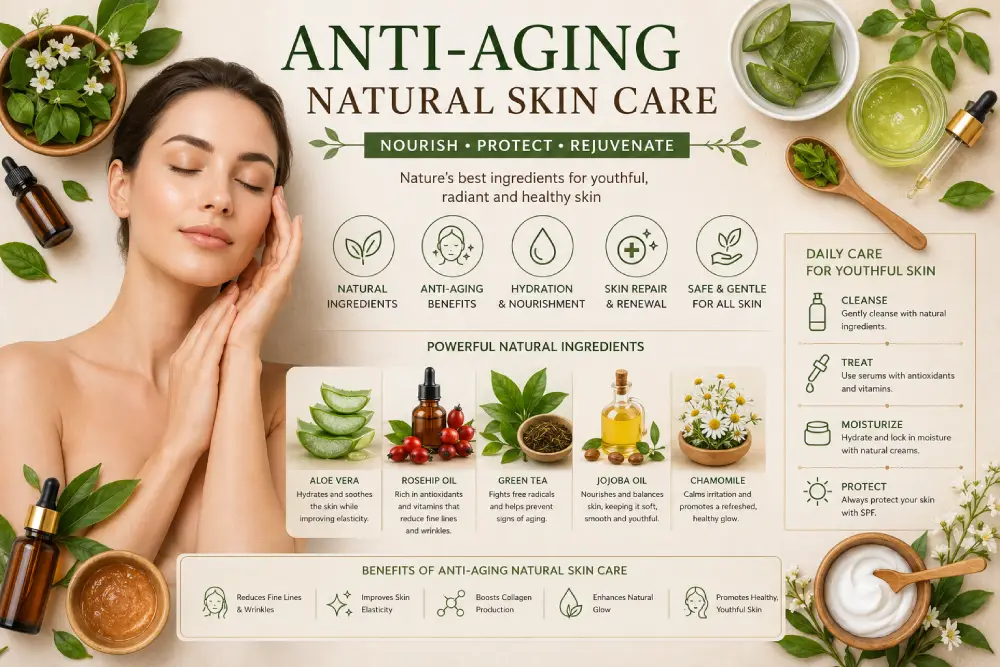
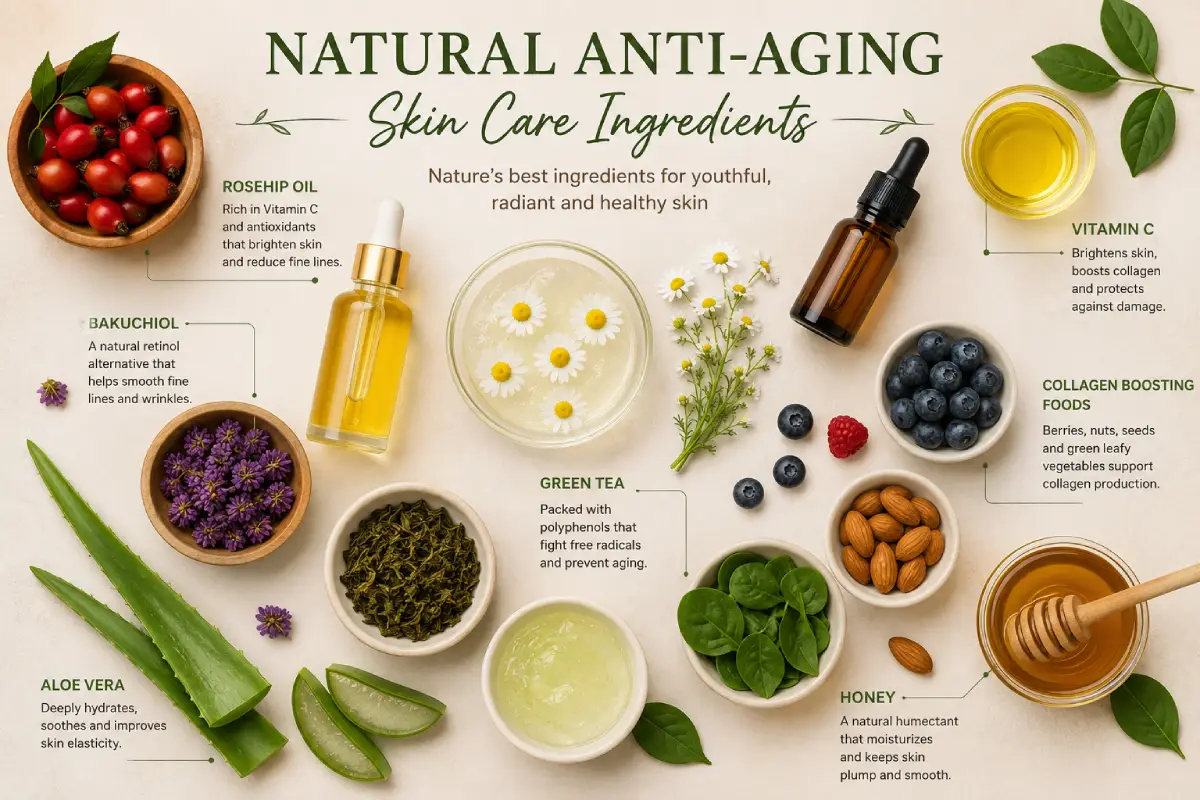
A few natural ingredients have always shown conclusive real proof of their calming properties when it comes to reactive skin.
- Centella asiatica: beneficial in most contemporary calming preparations,as it provides support for the skin barrier and diminishes redness.
- Colloidal oatmeal: soothes itching and irritation. Has an anti-inflammatory action and assists with barrier function of skin.
- Chamomile: soothing and mild anti-inflammatory, as a common ingredient in cleansers and toners for sensitive skin.
- Aloe vera: hydrates and soothes pruritic erythema to give the benefit of daily treatment as well as for an acute flare-up.
- Green tea extract: rich in antioxidants that are effective at soothing visible redness and protecting against environmental factors.
Fragrance-Free Natural Skin Care: What the Label Really Means
Fragrance: One of the leading causes of irritant and allergic reactions on sensitive skin, and aggravates skin conditions such as eczema and rosacea.
Label-reading tips:
- Note: “Fragrance free” means no fragrance ingredients added at all, which should be what sensitive skin is about.
- “Unscented” may still include masking perfume to conceal other fragrances, so isn‘t necessarily the safer option.
- Essential oils are also fragrance, even in a “clean” product. So, the ingredients lists should always be checked, no matter what marketing might suggest!
Hypoallergenic Natural Products: How to Choose
“Hypoallergenic” is not a regulated term, but it is still a helpful indicator to use in conjunction with your own label-reading.
What to actually check for:
- An ingredient list that is (or one that has) short list of ingredients that are easy to recognize and as little processed as possible
- How bad is it if I use it? No added dyes, no artificial fragrance, and lower in alcohol
- Ultimately, indicators of clinical testing or dermatologist recognized for sensitive skin.
Practical tip: Patch test any new product on your inner arm for 24–48 hours before swiping it all over your face, even if it claims to be hypoallergenic.
Natural Moisturizers for Sensitive Skin
Most natural moisturizers that are best for sensitive skin contain a combination of 3 types of ingredients: moisturizing and water-attracting (humectant), something that soothes, and something that seals in the moisture (emollient).
- Humectants: (nourishing) aloe vera, glycerin — which bond to water and hold it within the skin.
- Soothing agents: chamomile, centella asiatica, colloidal oatmeal arouse reactivity
- Emollients: shea butter, plant oils high in ceramides improve the skin barrier.
Practical example: Use a moisturizer immediately after cleansing when the skin is still a little moist to enhance the effectiveness of sealing in moisture.
A Simple 4-Step Sensitive Skin Routine
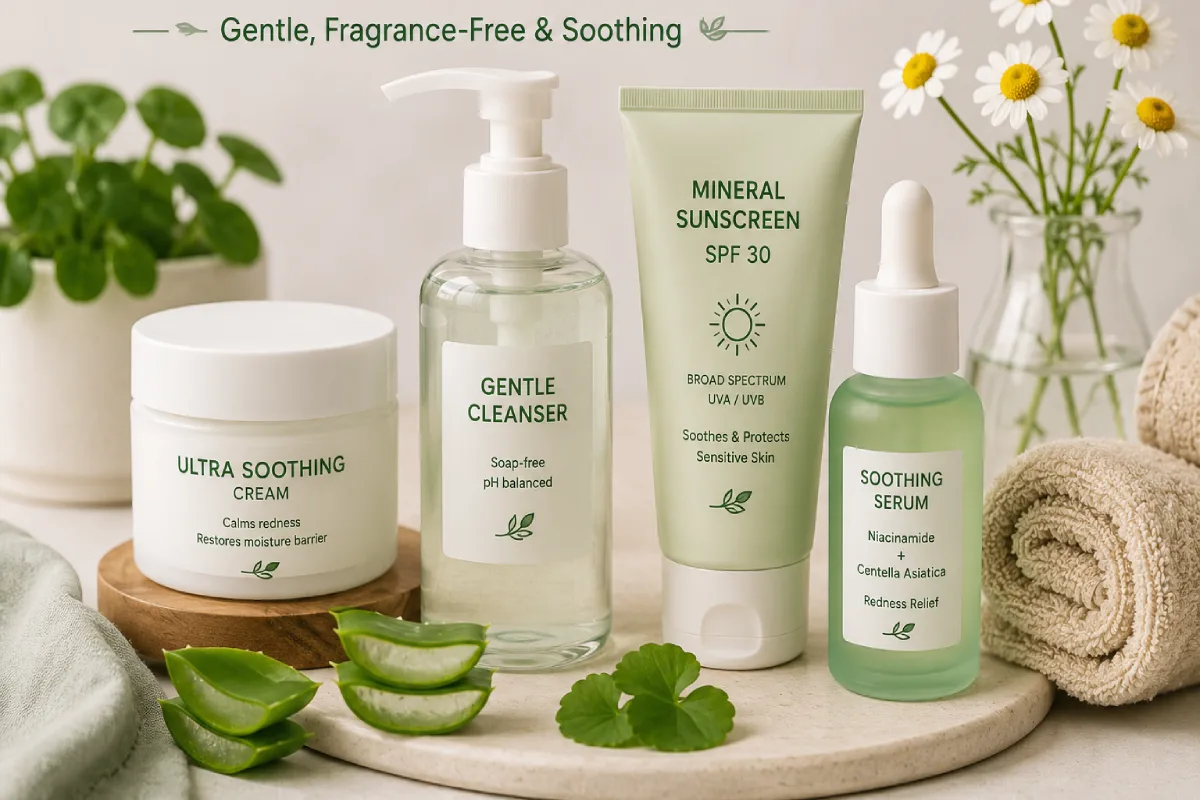
- Cleanse a fragrance and irritant free non foaming cleanser which is used morning and evening.
- Calm:has calming components such as received serum or toner with centella asiatica, chamomile or aloe vera.
- Moisturize– fragrance free moisturizer with two ingredients, a humectant and emollient.
- Protect: use a mineral sunscreen one of zinc oxide or titanium dioxide each morning sunlight can cause irritability and redness to increase.
Common Mistakes With Sensitive Skin Routines
- If “natural” or “organic” is automatically equated with “not irritating”.
- Using new product without patch testing, even if they sound sooting and mild.
- Overuse of actives or new products all at the same time so that it is difficult to determine what is in fact causing a reaction.
- Washing too many times or constantly using hot water which strips the skin barrier even more.
- Mistaking “unscented” for “fragrance-free” and equating the two in terms of safety.
USA vs. India: Climate Considerations
Focusing on cooler, drier US environments, sensitive skin requires possibly more emollients to compensate for seasonal moisture loss more so in winter. In India‘s hotter, humid climate, the need for lighter, non-greasy preparations has probably increased, with daily mineral SPF even more crucial, due to unrelenting sun hitting the skin all year around.
Final Take
Natural skin care for sensitive skin is about the basic principles of simplicity and knowing what you‘re reading in the names of ingredients, essentially creating a quick routine using readily available, truly calming, fragrance free formulations with an everyday use of sunscreen as standard. If you stick to these few principles the results can be surprising, as in calm, less reactive skin in between 4-6 weeks. Play safe, avoid trends, patch test if trying new and let the skin barrier do what it was designed for.
FAQs
Q1: best natural skin care routine for sensitive skin? A four-step program: scentless cleanser, calming serum/toner, barrier-repair moisturizer, mineral sunscreen every day, generally does the trick for reactive skin.
Q2. Are natural always better for sensitive skin? Not really. Essential oils and specific natural fragrances are just as irritant to sensitive skin as synthetic ingredients, so it is more about what is in the product rather than if it is natural.
Q3: What factors in a product or ingredients should sensitive skin steer clear of? Includd in this list are artificial perfumes, alcohol denat., and sulfates. Even products designed for sensitive skin may contain high levels of essential oils.
Q4: Is Fragrance free the same as unscented? No. Fragrance free means no fragrance ingredients at all, since unscented products may have additional masking fragrances to cover up other odors.
Q5: Which calming ingredients are most effective? Again these four also show more evidence behind their redness-calming effects. Centella asiatica, colloidal oatmeal, chamomile, and aloe vera.
Q6: Sensitive skin routine – How long does it take? The general answer is 4-6 weeks to notice skin calmer.
8. Image Suggestions
| Section | Image Idea | SEO Filename | ALT Text |
|---|---|---|---|
| What Counts as Sensitive Skin | Close-up of calm skin next to a flushed, reactive patch | sensitive-skin-signs-overview.webp |
Signs of sensitive, reactive skin |
| Natural ≠ Gentle Myth | Ingredient label being read closely, magnifying glass over text | natural-vs-gentle-ingredient-label.webp |
Reading ingredient labels for sensitive skin products |
| Best Natural Cleansers | Gentle, fragrance-free cleanser with light foam on fingertips | best-natural-cleansers-for-sensitive-skin.webp |
Best natural cleansers for sensitive skin |
| Soothing Ingredients | Chamomile flowers, oat extract, and aloe vera arranged together | soothing-ingredients-for-redness.webp |
Soothing natural ingredients for skin redness |
| Fragrance-Free Skin Care | Skincare bottles labeled fragrance-free on a clean background | fragrance-free-natural-skin-care.webp |
Fragrance-free natural skin care products |
| Natural Moisturizers | Jar of natural moisturizer being applied to damp skin | natural-moisturizers-for-sensitive-skin.webp |
Natural moisturizer for sensitive skin |