Your Smile Is Part of Your Identity, Why Alignment Is More Than Just Aesthetic
Published: May 2, 2026 Last Updated: May 21, 2026 In a world where people are constantly shaping how they
In a world where people are constantly shaping how they present themselves, style, music, art, the way you look is often an extension of who you are.
Clothing can be changed. Hair evolves. Trends shift.
But your smile is different.
It is one of the few things that stays with you in every interaction, every conversation, every expression. And whether you realize it or not, it becomes part of your identity.
The Smile as a Form of Self Expression
Most people do not think of their teeth as something expressive.
But they are.
Your smile affects:
- How you show emotion
- How open or reserved you appear
- How people read your confidence
Even subtle alignment issues can change how your expressions come across. Not dramatically, but enough to influence perception.
That is why more people are starting to look at orthodontics differently, not as a correction, but as a refinement of how they present themselves.
Imperfection vs Intentionality
There is an important distinction between natural individuality and unintentional imbalance.
A unique smile can be part of your character.
But misalignment that affects how you feel, how you speak, or how you carry yourself is something else entirely.
Orthodontic treatment is not about erasing individuality. It is about giving you control over how your smile aligns with your identity.
For some people, that means subtle refinement. For others, it means a more noticeable shift.
The key is intention.
Confidence Changes Expression Before Appearance
What most people notice after orthodontic treatment is not just how their teeth look, but how they behave.
They:
- Smile more naturally
- Speak more freely
- Stop thinking about how they are being perceived
This shift happens before anyone comments on appearance.
Confidence changes expression first. Appearance follows.
For those exploring orthodontics in Richmond Hill, this internal shift is often the most meaningful part of the process.
Alignment Is Also Functional
While identity and expression are part of the conversation, alignment also affects how your mouth functions.
Misalignment can lead to:
- Uneven wear over time
- Jaw tension
- Difficulty maintaining oral hygiene
These are not always visible issues, but they influence long term comfort and health.
Addressing them is not just aesthetic, it is structural.
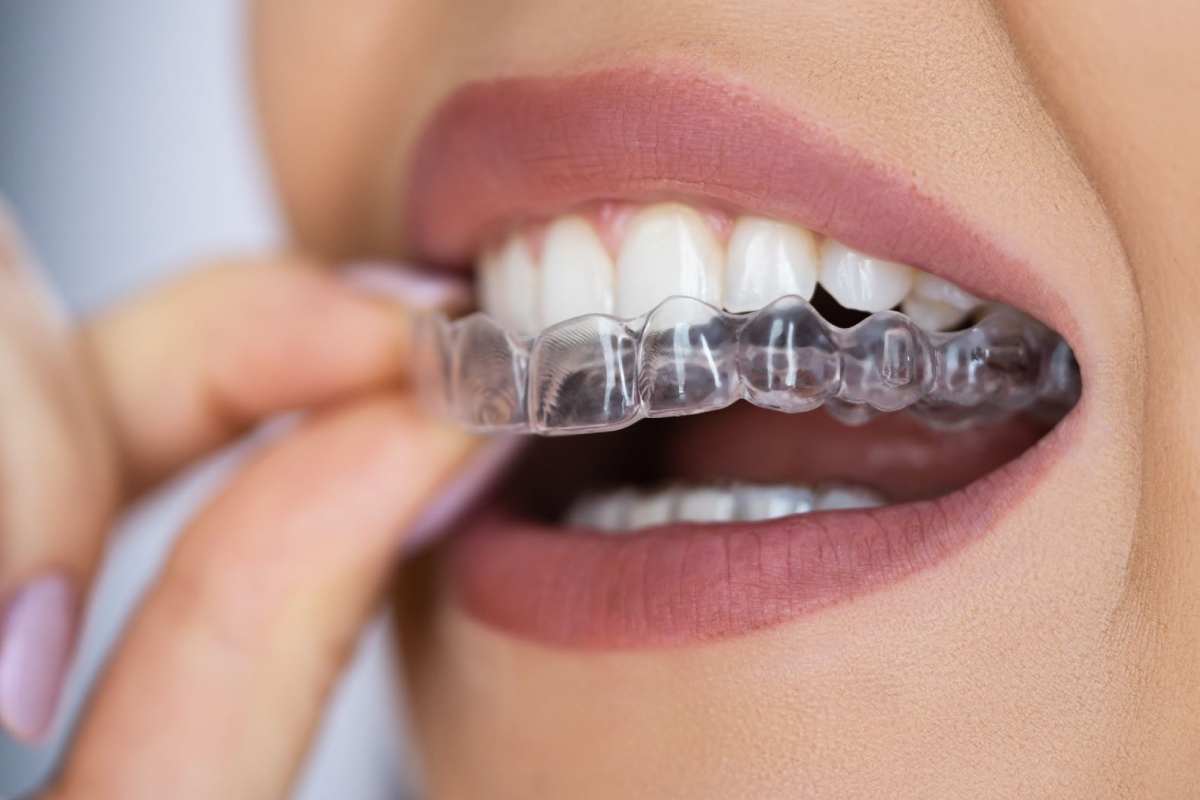
Modern Orthodontics, Less Conformity, More Control
There was a time when orthodontic treatment felt rigid and uniform.
That is no longer the case.
Today, treatment can be:
- Subtle and low visibility
- Tailored to individual goals
- Designed around lifestyle, not against it
This shift matters, especially for people who value individuality.
You are not choosing between “perfect” and “imperfect.” You are choosing how much change feels right for you.
Clinics like Smiles on Yonge approach treatment with this level of nuance, focusing on alignment that enhances rather than overrides your natural features.
The Intersection of Aesthetics and Identity
There is a growing movement away from standardized beauty.
People are more interested in looking like a refined version of themselves rather than fitting into a fixed ideal.
Orthodontics, when done well, fits into that philosophy.
It does not replace identity. It supports it.
It allows your expressions to feel more natural, your confidence to come through more clearly, and your presence to feel more aligned with how you see yourself.
When It Becomes Worth Exploring
Most people do not wake up one day and decide to change their smile.
It usually builds gradually.
You might notice:
- Avoiding certain angles in photos
- Being more aware of your teeth when speaking
- Feeling like your smile does not fully reflect you
That awareness is often the starting point.
Not dissatisfaction, but recognition.
Final Thought
Your smile is not just a feature.
It is part of how you communicate, how you connect, and how you present yourself to the world.
Aligning it is not about chasing perfection.
It is about making sure it reflects you, clearly, confidently, and without hesitation.