The Science of Drug Residue in Hair Follicles
When it comes to understanding how drugs can be traced in our bodies, the science behind hair follicle drug
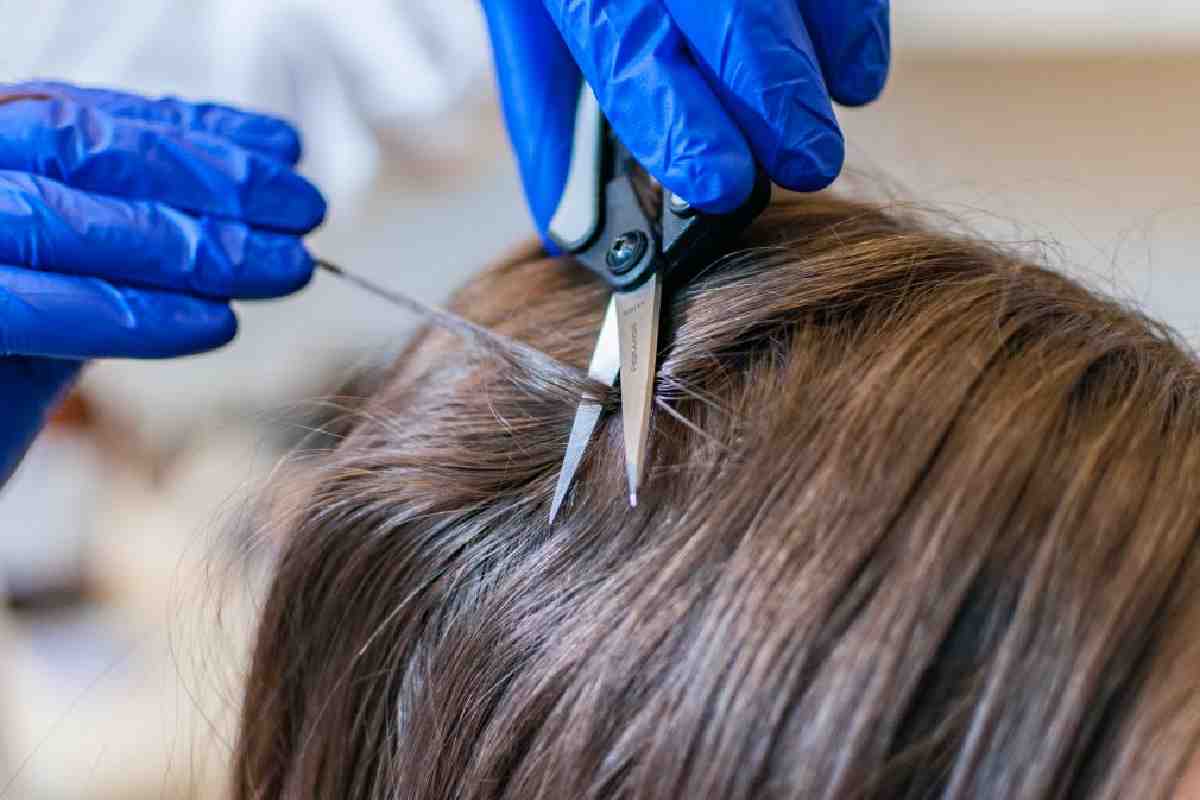
When it comes to understanding how drugs can be traced in our bodies, the science behind hair follicle drug tests offers a fascinating glimpse into the complexity of human biology and the persistence of substances we ingest. Here, we delve into how this process works and why it’s becoming a popular method for drug testing.
Understanding Hair Follicle Drug Tests
You might not realize it, but your hair could be telling a story you’d rather keep private. A hair follicle drug test, a method used to detect drugs taken over a period of time, captures a unique narrative of substance use. This type of test analyzes the drug molecules deposited in the hair shafts, providing a three-month snapshot of your drug history.
The way this works is intriguing. When you consume drugs, they enter your bloodstream. The blood nourishes your hair, and as your hair grows, it encapsulates traces of these drugs in its structure. Because hair on your head grows approximately 1.5 inches every 90 days, a standard test length of 1.5 inches of hair can reveal a pattern of drug use extending back three months.
Hair follicle testing accounts for approximately 10% of all workplace drug tests in the United States, with over 1.5 million hair drug tests conducted annually (Quest Diagnostics Drug Testing Index, 2023). It is most commonly used in safety-sensitive industries including transportation, defense contracting, and healthcare.
What Substances Does a Hair Follicle Test Detect?
A standard 5-panel hair follicle test screens for:
- Marijuana (THC metabolites)
- Cocaine (and its metabolite benzoylecgonine)
- Opiates (codeine, morphine, heroin metabolite 6-MAM)
- Amphetamines (including methamphetamine and MDMA)
- Phencyclidine (PCP)
Extended panels can also detect benzodiazepines, barbiturates, and synthetic opioids like fentanyl. The detection window is typically 90 days, compared to just 3–7 days for urine testing (SAMHSA Guidelines, 2023).
The Technological Evolution of Hair Testing
Reflect back to an old edition of a science magazine you picked up years ago, which featured the latest advancements in forensic science. Today’s hair drug testing might seem like a page taken right out of such a futuristic edition. Over the years, the technology for detecting and analyzing substances in hair has evolved remarkably, enhancing both the sensitivity and accuracy of these tests.
Now, as you sit in a clinic or a lab, waiting for your test, you might marvel at how far science has come, and perhaps, how these advancements might influence the next edition of your life story.
Shedding the Old: The Exuvial Process in Humans
While snakes shed their entire skin in what is known as the exuvial process, humans experience a similar, albeit less visible, renewal. Each strand of hair on your head undergoes its own type of shedding, eventually making way for new growth. This natural cycle of renewal is akin to how our bodies can recover and cleanse themselves from past substance use.
However, just as the shed skin of a snake can reveal much about its past conditions and health, the hair that you shed holds secrets of its own. When undergoing a hair drug test, even this shed hair can tell stories of what substances were present in your body over the previous months.
How Accurate Are Hair Tests — and What Are Their Limits?
Hair testing is highly accurate for confirmed positives, but has documented limitations:
- Hair color bias: Studies in Forensic Science International (Borges et al., 2019) found that melanin in darker hair binds certain drugs at higher rates, potentially affecting result rates across hair colors.
- External contamination: Passive exposure can deposit drug particles on hair externally. Accredited labs use a washing step to address this, but it is not 100% definitive.
- Detection gap: Hair takes 5–7 days to grow above the scalp, so very recent drug use within the past week may not appear on a hair test.
- No impairment indication: A positive result shows past exposure, not current impairment — an important distinction in legal and employment contexts.
The Future of Hair Follicle Drug Testing
As we continue to navigate the complexities of drug testing and substance tracking, the role of hair follicle drug test is likely to expand. For you, understanding how these tests work, what they can reveal, and how they fit into broader contexts of health, employment, or legal issues is crucial.
Current legal landscape: Hair follicle testing is federally permitted for pre-employment screening but is not yet approved by SAMHSA for federally mandated programs such as DOT-regulated transportation workers, who must still use urine testing. Several U.S. states including New York and California have enacted laws restricting pre-employment marijuana testing, which affects how hair test results can be legally used (National Conference of State Legislatures, 2024).
Remember, while a hair drug test provides a window into your past substance use, it doesn’t define your future. Just like the stray cat can find a new home or the latest edition of a magazine can overwrite the old, every day offers a chance to start anew, to make choices that lead you towards the life you wish to live.
In the realm of substance use and recovery, every strand of hair, every choice, counts towards painting the picture of who you are and who you aspire to be. As you move forward, let the knowledge of how substances interact with your body guide you towards informed, healthful decisions. After all, every chapter of your life deserves to be written with intention and hope.
Disclaimer: This article is for informational and educational purposes only. It does not constitute legal, medical, or employment advice. If you are facing a drug test or related legal matter, consult a qualified Medical Review Officer or employment attorney.