Ghar Soaps: The Complete Guide to Homemade Soap Bars Every Indian Skin Type Needs in 2026
Ghar soaps (homemade soaps) are handcrafted soap bars made with natural oils, butters, and botanicals — free from harsh
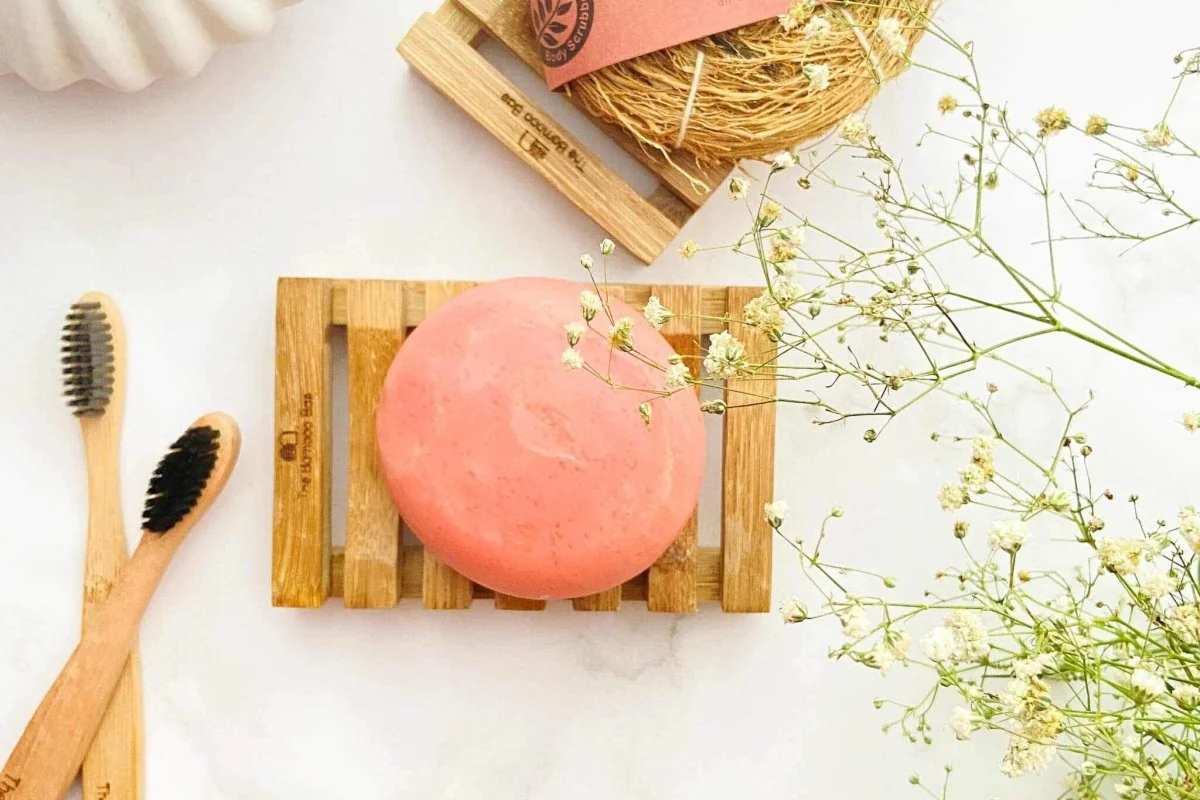
Ghar soaps (homemade soaps) are handcrafted soap bars made with natural oils, butters, and botanicals — free from harsh sulfates and synthetic preservatives. They’re gentler on Indian skin, more customizable, and increasingly backed by dermatology research. This guide covers everything: ingredients, benefits, skin-type matching, myths, and expert tips.
Ghar Soaps: Why India Is Falling Back in Love with Homemade Soap Bars
There’s something deeply nostalgic about ghar soaps. Many of us grew up watching our grandmothers melt coconut oil and mix in turmeric or neem leaves to create bars that cleansed, healed, and smelled like home. Today, that tradition is making a powerful comeback — and for very good reason.
Ghar soaps, or homemade soap bars crafted at home or by small artisan makers, are now one of the fastest-growing segments in India’s natural beauty market. According to India’s organic personal care market growth data, India’s organic personal care sector is projected to grow at 9.4% CAGR through 2030 — with handmade soaps leading that surge.
But what exactly makes ghar soaps different? Are they truly better than your store-bought bar? And which one suits your skin? Let’s break it all down.
What Are Ghar Soaps? (A Clear Definition)
Ghar soaps are handmade soap bars prepared using a cold-process or hot-process saponification method — typically combining a natural oil base (like coconut, castor, or olive oil) with an alkali (sodium hydroxide/lye) and natural additives like herbs, clays, essential oils, or butters.
Unlike commercial soaps, ghar soaps retain glycerin — a naturally occurring humectant that commercial manufacturers often remove and sell separately. This retained glycerin is a major reason why homemade soaps feel so moisturizing on Indian skin.
Who Should Use Ghar Soaps?
Ghar soaps are an excellent choice for:
- People with dry, sensitive, or combination skin
- Those experiencing rashes or reactions from commercial soap fragrances or SLS
- Individuals with eczema, psoriasis, or hyperpigmentation who need gentler cleansing
- Anyone looking to reduce chemical load in their daily routine
- Eco-conscious consumers wanting plastic-free, zero-waste options
Who should be cautious:
- People with severe skin allergies to botanical ingredients (always patch test)
- Anyone with an open wound or active infection — consult a dermatologist first
- Those with extremely oily, acne-prone skin should pick ingredients carefully (more on this below)
5 Proven Benefits of Ghar Soaps for Indian Skin
1. Retains Natural Glycerin Commercial soap production strips glycerin for profit. Ghar soaps keep it intact, leaving skin soft and hydrated after every wash. This is supported by dermatology-backed research on natural soap ingredients, which confirms that retained glycerin significantly improves skin hydration and barrier function — crucial in India’s dry winter climate.
2. No Harsh Sulfates or Parabens Most store-bought soaps contain Sodium Lauryl Sulfate (SLS) which strips the skin’s natural oils. Ghar soaps cleanse without disrupting your skin barrier.
3. Customizable for Your Skin Concern Oily skin? Add neem and activated charcoal. Pigmentation? Go for turmeric and saffron. Dark spots? Try kojic acid or licorice root infused bars. The customization is unmatched.
4. Gentler pH Balance Well-made ghar soaps typically have a pH of 8–10, which, while slightly alkaline, is far less aggressive than detergent-based commercial bars that can hit pH 12+.
5. Sustainable and Cost-Effective Making soap at home costs ₹30–₹80 per bar using quality ingredients. Comparable artisan bars in stores retail for ₹200–₹600. The savings and sustainability make it a no-brainer for conscious consumers.
Best Ghar Soap Ingredients for Indian Skin Types
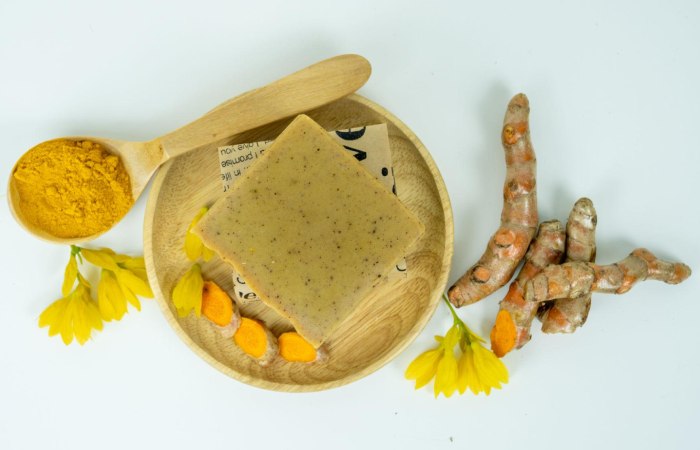
| Skin Type | Recommended Base Oil | Power Additives |
|---|---|---|
| Dry Skin | Olive Oil, Shea Butter | Oats, Honey, Rose |
| Oily Skin | Coconut Oil, Castor Oil | Neem, Charcoal, Tea Tree |
| Sensitive Skin | Sunflower Oil, Almond Oil | Aloe Vera, Chamomile, Calendula |
| Combination Skin | Jojoba Oil, Coconut Oil | Turmeric, Clay, Lavender |
| Hyperpigmented Skin | Rice Bran Oil, Argan Oil | Kojic Acid, Licorice, Saffron |
How Ghar Soaps Are Made: A Simple Overview
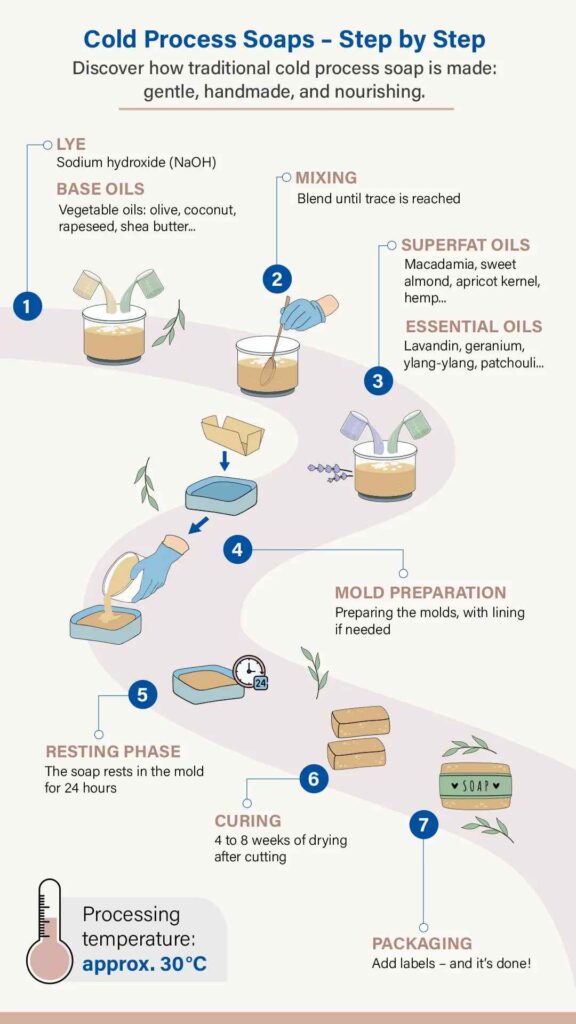
Understanding the process helps you trust the product — whether you’re making it yourself or buying from an artisan.
Step 1: Choose Your Oil Base This forms the backbone of your soap. Coconut oil makes a hard, lathering bar. Olive oil creates a moisturizing, gentle bar.
Step 2: Prepare the Lye Solution Sodium hydroxide is mixed with water or milk (like goat milk or coconut milk). This is the chemical reaction that turns oils into soap — called saponification. Always handle lye with gloves and eye protection.
Step 3: Combine Oils and Lye Once both reach similar temperatures (around 40–45°C), they’re blended until “trace” — a pudding-like consistency.
Step 4: Add Botanicals and Fragrance At trace, you add your herbs, clays, essential oils, colorants, or exfoliants.
Step 5: Pour, Cure, and Use Pour into molds and allow to cure for 4–6 weeks. Curing allows excess water to evaporate and the soap to harden into a long-lasting, gentle bar.
Common Mistakes People Make with Ghar Soaps
- Skipping the cure time — Using soap too early causes it to be soft, harsh, and lye-heavy
- Eyeballing measurements — Soap making is chemistry. Use a digital scale always.
- Using fragrance oils instead of essential oils — Fragrance oils often contain allergens. Stick to skin-safe essential oils.
- Wrong oil ratios — Too much coconut oil (above 30%) can dry out skin despite being a “natural” ingredient
- Not patch testing — Even natural ingredients like turmeric or neem can cause reactions in sensitive individuals
Myths vs. Facts About Ghar Soaps
Myth: Handmade soaps don’t lather well. Fact: Lather depends on oil choice. High-coconut or castor oil soaps lather excellently — often better than commercial bars.
Myth: Ghar soaps expire quickly. Fact: A properly cured and stored soap (away from direct water and heat) lasts 1–2 years easily.
Myth: All natural soaps are safe for all skin types. Fact: Natural doesn’t mean universal. Neem is too drying for some, and certain essential oils like cinnamon can irritate sensitive skin.
Myth: Homemade soap is unhygienic. Fact: The saponification process creates an alkaline environment that is inhospitable to most bacteria. Ghar soaps are hygienically sound when made correctly.
Ghar Soap vs. Commercial Soap: A Quick Comparison
| Feature | Ghar Soap | Commercial Soap |
|---|---|---|
| Glycerin | Retained | Usually removed |
| Preservatives | Minimal/none | Often synthetic |
| Fragrance | Essential oils | Synthetic fragrance |
| Customization | High | None |
| Eco-friendliness | High | Low |
| Shelf Life | 1–2 years | 2–3 years (due to preservatives) |
| Cost per bar | ₹30–₹80 (DIY) | ₹20–₹500 |
Expert Tips to Buy the Best Ghar Soaps in India
If you’re not making your own, here’s how to choose wisely from artisan sellers:
- Check the ingredient list — It should read like a kitchen pantry, not a chemistry lab.
- Look for cure date — A quality soap maker will mention when the bar was poured and cured.
- Avoid “melt and pour” mislabeled as handmade — M&P bases are pre-made glycerin blocks, not true cold-process soaps.
- Prioritize small-batch makers — Freshness and intention matter. Small batch means more care per bar.
- Ask about skin-type suitability — A good artisan will guide you based on your skin concern.
My Personal Take (E-E-A-T Note)
After switching from a commercial sulfate bar to a homemade neem-coconut oil soap two years ago, I noticed a significant reduction in skin dryness and irritation within just 3 weeks. The lather was different — more creamy than foamy — but my skin never felt that tight, squeaky-clean feeling that signals stripped moisture. That experience is what drives my recommendation for ghar soaps for everyday Indian skin care.
FAQs
Q1. Are ghar soaps safe for daily use?
Yes, when properly formulated and fully cured, ghar soaps are safe and often gentler than commercial soaps for daily use.
Q2. Can ghar soaps help with acne?
Soaps made with neem oil, tea tree essential oil, or activated charcoal can help manage acne-prone skin by cleansing pores without over-stripping natural oils.
Q3. How long do ghar soaps last?
A well-cured, properly stored ghar soap lasts between 1 to 2 years. Store in a cool, dry place away from direct water exposure.
Q4. Is lye in ghar soaps dangerous?
Lye (sodium hydroxide) is used in the soap-making process but is completely neutralized during saponification. The final soap bar contains no active lye.
Q5. Can I use ghar soaps on my face?
Yes — face-specific ghar soaps made with gentle oils like almond, jojoba, or sunflower and with a balanced formulation are excellent for facial use.
Q6. Where can I buy authentic ghar soaps in India?
Look for certified artisan sellers on trusted platforms, local organic markets, or small-batch beauty brands like Cultones that prioritize transparency in ingredients.
Final Conclusion
Ghar soaps are not just a nostalgic trend — they represent a smarter, gentler, and more intentional approach to everyday cleansing that genuinely suits Indian skin. Whether you choose to make your own or discover a trusted artisan brand, switching to ghar soaps can transform how your skin feels — softer, calmer, and more balanced. With the right ingredients and a little knowledge, your best skin might just come from your own kitchen. Start exploring ghar soaps today and let your skin thank you for it.